January 30, 2026
January is the month when many of us make resolutions to increase our fitness and/or lose a few pounds. Whilst these good intentions may not last, we can certainly help you with the same aims for your dog.
Obesity in dogs is more than just a cosmetic issue and can lead to serious health issues like arthritis, diabetes, respiratory problems (especially with short-nosed breeds), and kidney disease. If your pet has gained weight, it is definitely worth seeing a vet and ensuring there is nothing underlying that may need addressing.
Once this has been ruled out, there are a few tips that can really help to get you on the road to success:
Look at the treats you give:
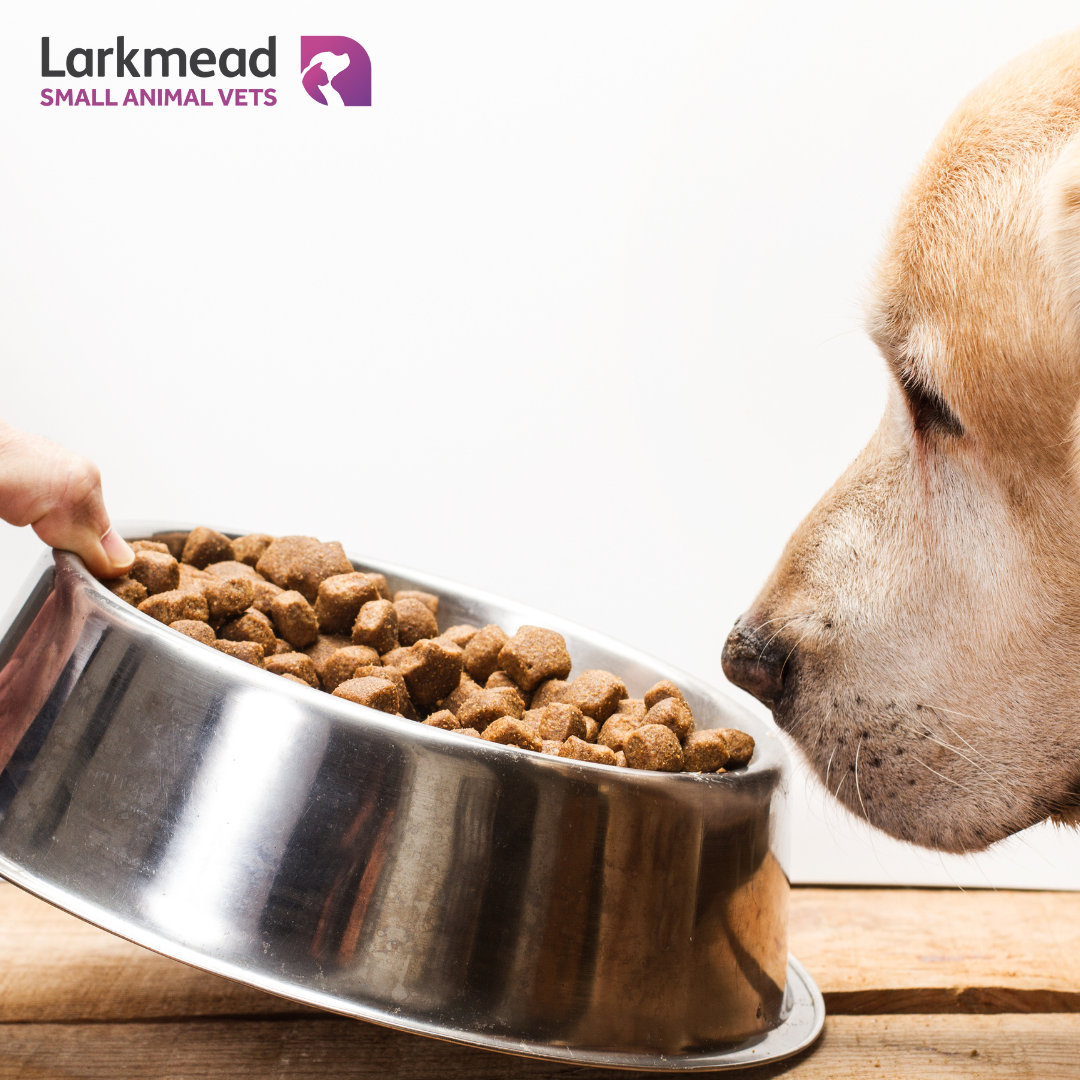
Treats should be less than 10% of your dog’s daily calories. Try low-cal swaps by offering carrots and other dog-safe veggies as treats (these are good for teeth too!). If these are not palatable, then put aside some of your dog’s usual food to use as treats. Ensure no one is sneaking more treats to the dog!
Measuring is King!
Use a scale (or an old mug/measuring spoon once you’ve identified the right amount) to ensure you are feeding the right amount for their weight.
Seek help:
A healthy weight loss program reduces body weight by about 1-2% per week. Changing their food to one designed to support weight loss, whilst helping them to feel full can help but this needs to be introduced slowly. Our veterinary nurses offer weight loss clinics where they can support you and your pet to shed the pounds safely, and without too many “puppy eyes” pulling at your heart strings. Find out more on our website.
If you would like support on helping your pet to lose weight, please give us a call on 01235 814991 / 01491 651379 / 01235 633820.