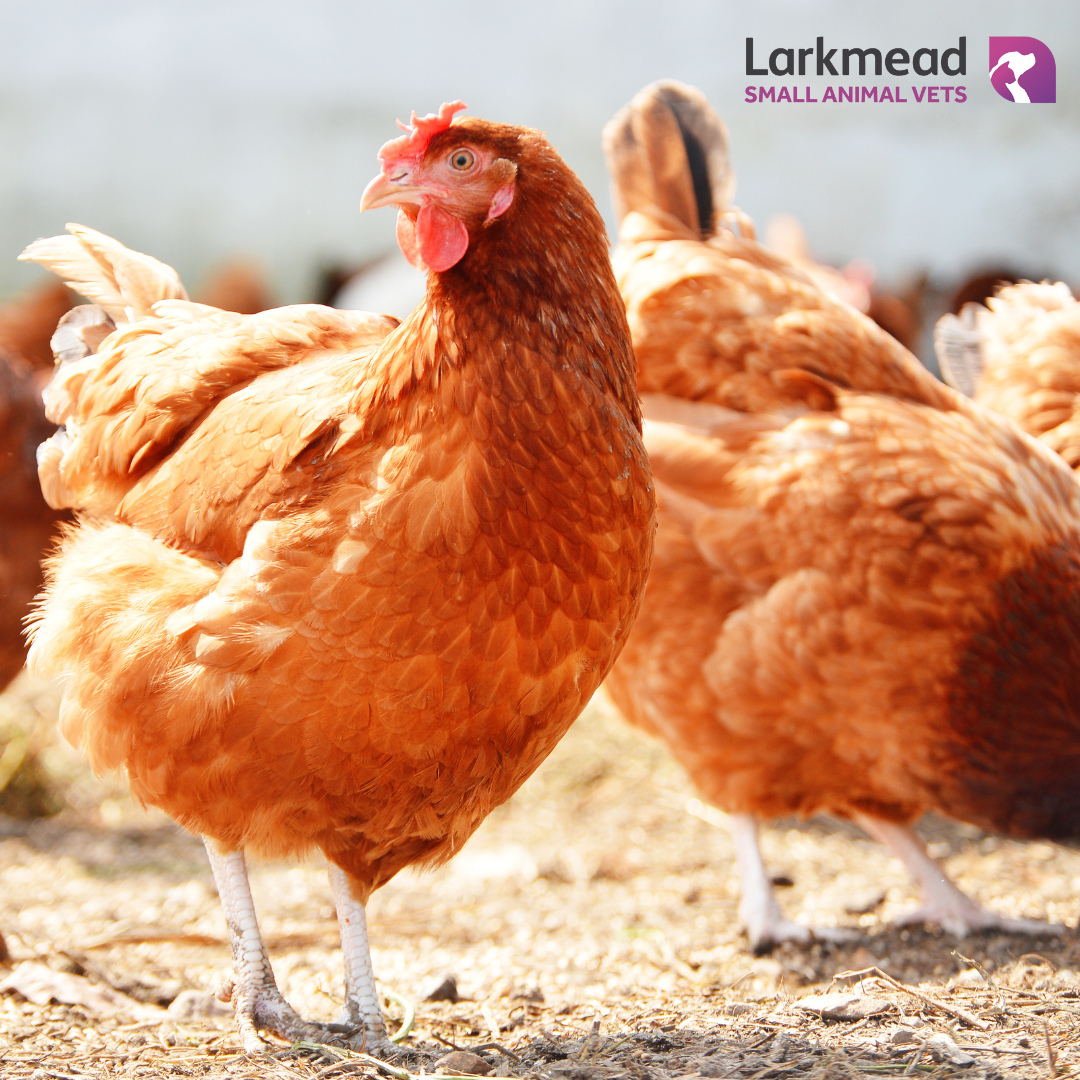
Bird Flu
November 19, 2025
Information correct at time of publication – please check the Government Website for the latest guidance and advice.
As the colder weather brings birds migrating to the UK, the cases of Avian Influenza begins to rise and as such, DEFRA has issued a mandatory housing order for the whole of England to help prevent spread.
What does this mean?
Anyone who has a flock of more than 50 birds (this includes chickens and captive birds like pigeons or budgies) OR anyone who sells or gives away eggs, must ensure their birds are housed, preventing access by wild birds. Further information on this is available on the Government website.
In addition to this, all bird keepers must adhere to strict biosecurity measures such as:
Keep feed and bedding inside
Cleanse and disinfect clothing, footwear, equipment and vehicles before and after contact with captive birds.
Carry out vermin control
Reduce movement around captive birds and thoroughly clean and disinfect housing and concrete walkways on a regular basis. Keep fresh disinfectants at entry and exit points.
Make your premises unattractive to wild birds
What about other animals?
Current recommendations are to keep pets from having close contact with dead or sick wild birds, their droppings or feed/water bowls.
It is also not recommended to feed your pet non-commercial raw poultry meat, game or other wild bird meat. This also includes some chews or treats that may contain raw meat or unprocessed animal products.
Further information is available on the Government website.
What about if I find a sick or deceased bird?
Birds infected with the most serious strain of bird flu (highly pathogenic avian inflenza – HPAI) usually show some of the following signs and contact should be avoided:
- swollen head
- closed and runny eyes
- lethargy / lying down
- lack of coordination, drooping of wings, dragging legs
- decreased appetite/increase or decease in water consumption
- sudden death
- head and body shaking
- twisting of the head and neck
- breathing difficulties, sneezing, coughing etc
- discoloured or loose watery droppings
- swelling and blue discolouration and/or bruising and redness on the legs/neck
Sick birds showing any symptoms should not be taken into to a veterinary surgery (or wildlife rescue etc) without prior communication, to prevent exposure to other animals and humans. At Larkmead, we can examine the bird(s) but only once staff have been pre-warned and are wearing appropriate PPE, so please give us a call before visiting.
Please contact us to discuss any concerns, particularly if you wish one of your flock to be seen by a vet.
You should report any deceased birds to DEFRA via their website.