Scam Warning

We have received numerous reports of scammers operating in the local area, claiming to be Larkmead Vets. They are asking people for small payments over the phone to update a pet’s microchip details, to release a lost pet or start an urgently needed operation. Please note that we will never ask you for money over the phone for these types of things – if our Team do call you, it will come up as one of our main numbers on caller ID (01235 814991 or 01491 651379) and you are welcome to call us back independently to confirm if you are not sure. Always find the number for the business you are trying to call independently; do not use the number anyone may give you on one of these calls and ensure the phone has been disconnected properly from the previous call, or call us from a different phone.
If your pet is sadly missing, it is worth visiting
https://www.petsreunited.com/help/faq and following the guidance rather than advertising your personal number online (there is a small charge for their number protection service). You can contact your microchip company yourself to make sure your contact details are up-to-date and register your pet as missing – most pets are reunited using this data. If you are not sure which chip company you are registered with, entering the chip number at
https://www.check-a-chip.co.uk can tell you which company to contact.
Reducing Anxiety at the Vets
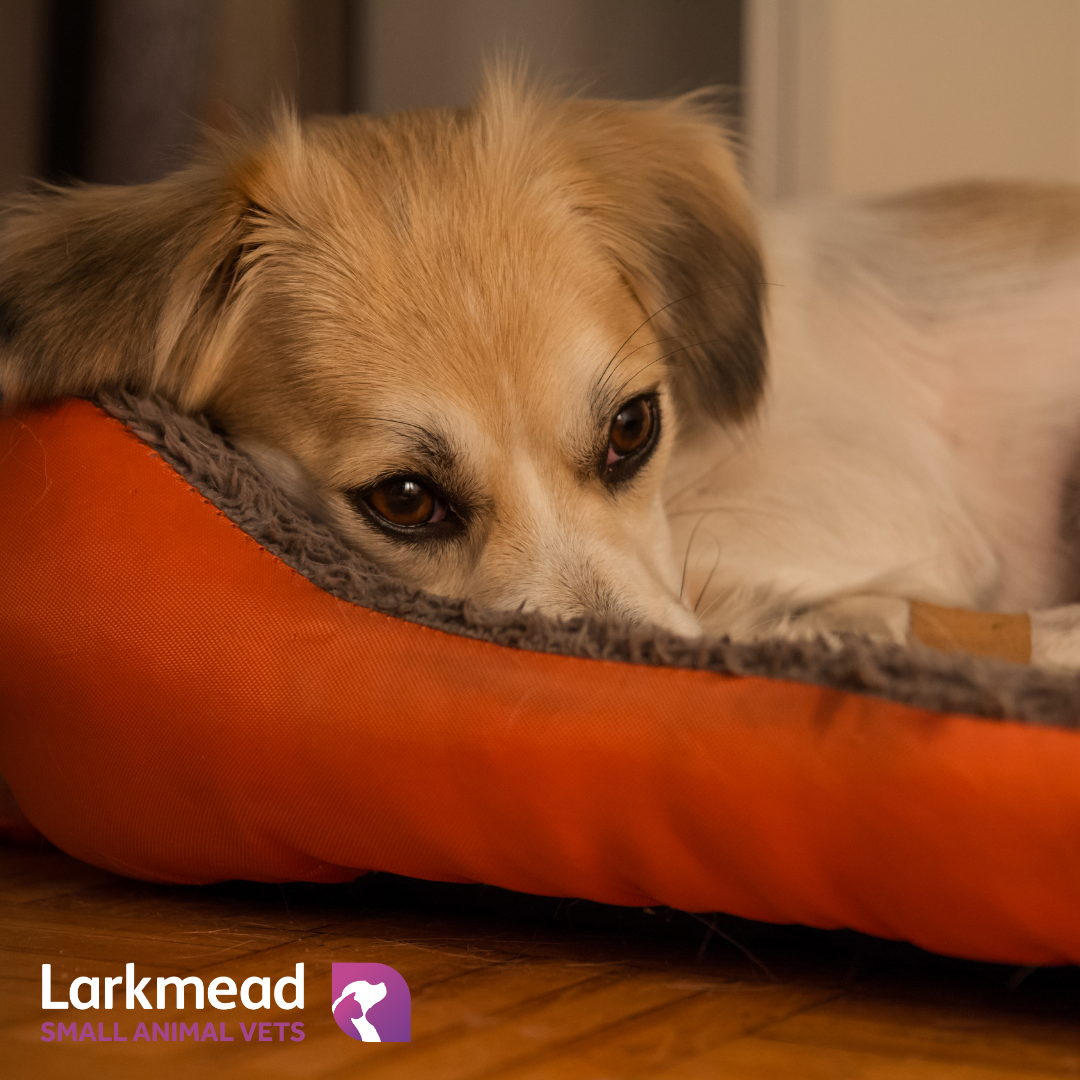
Both dogs and cats will experience veterinary related anxiety at some point during their lives. It is almost impossible to avoid; when you think about it, a trip to the vets often ends up with either a stranger touching them all over, a injection, or a thermometer placed where they’d rather not let anyone go! All of these things can emit feelings of fear, anxiety and stress in your pet.
Whilst we can’t control every aspect of their anxiety, we can help to reduce it. Below are some simple steps we can take to make their visit to the vets a lot easier.
But before we talk about easing anxiety, lets go through some of the common signs of stress that we see on a daily basis in the veterinary practice.
Dogs 🐕
There are a variety of behaviours dogs will produce when they feel threatened in any way. Some are quite subtle whilst others are very obvious to most of us.
Some of the signs we might immediately recognise as fear and anxiety at the vets include:
- Panting
- Pacing or pulling to get out the door
- Growling and or barking
- Snapping and or biting
- Shaking
- Toileting inside
- Whale Eye (showing the whites of their eyes)
Some signs of anxiety we often misinterpret as other things include:
- Lip-licking and hypersalivating – whilst this can mean that they are hungry, a lot of the time when they are visiting the vets it is also an indicator of anxiety.
- Yawning – this is very different to a relaxed, tired yawn. It is a lot tighter and happens multiple times as a self-soothing behaviour.
- Front paw lift – again, we often misread this as a dog wanting to shake hands with us! But in the veterinary practice, it is often a sign that a dog feels nervous of its surroundings.
- Stretching and Scratching – these are more self-soothing behaviours a dog will partake in when nervous, the same way we fiddle with our clothes, skin or hands when we are nervous!
- Belly roll – this is another behaviour that is often miscommunicated to us by dogs when they offer it to us. In most cases at the veterinary practice, dogs will show their bellies as a way of showing us they are not a threat and asking us politely to please not hurt them. In this situation, it is important for us to take a step back to let the dog know we have understood.
- Frantic energy/excitement – in many cases, dogs can fly through the veterinary doors seemingly happy and full of beans! And often they are. However, it can also mean that a dog is hyper-aroused, offering little space in their tank left to cope with the vet appointment.
So, how can we help our dogs when they visit us at the vets?
- A calm and normal morning routine. Dogs need to sleep up to 16-18 hours per day. If we keep their routine normal on the day of a vet appointment, it avoids any extra stress. This also includes positive, fun emotions – for example, taking your dog for a long walk to tire them out before a vet appointment can often have the opposite effect and lower their ability to cope with the vet examining them, because they are too overstimulated.
- Classical or Reggae music. Playing calm and soothing music has been scientifically proven to reduce stress levels in our canine patients. This could be played at home, or in the car on the way to your appointment.
- Waiting outside. You do not have to utilise the waiting area. A lot of the time, anxiety is an anticipatory fear of the vets based on a reinforced history of a stressful time when they’ve visited us. If your dog finds it easier to wait in the car or walk around outside until the vet can see you, this can be accommodated – just make sure our team are aware.
- Providing food and enrichment. Bringing favourite toys and treats to your appointment can assist in promoting a calming experience. As long as the item does not cause too much over-stimulation, having a ‘comfort blanket’ can often make our canine patients feel a little more soothed. This can be in the form of a ball, a stuffed toy, a blanket, a food toy – or their favourite snack!
- Training. Asking our dogs for focus in the waiting area can be challenging for a lot of them but for some, it can be a lifeline. Giving certain dogs (depending on breed and temperament) direction can help desensitise them to the veterinary environment and, in turn, allow them to tolerate their visits better. Training like this can include what we call cooperative care, which is a type of training method used in Zoos! If we can teach a dog what is expected of them during a veterinary appointment, and give them an element of control, it reduces the need for restraint and sedatives.
- Anti-anxiety medications. These medications need to be discussed and administered before your visit but if we feel your dog would benefit from them, this is absolutely something we can accommodate – you can discuss this with a vet using our video consultation service.
- Confidence Clinics. These clinics involve a mixture of fun and training to help make the vet experience easier for our canine patients and included in our Gold Lifetime Care Club membership.

Cats 🐈
Cats have a fundamental need to be in control, or at least to be seen as if they are. Their first port of call will often be to simply avoid something that makes them nervous, and this can prove challenging when they visit us.
Here are some examples of cat behaviour that let us know they aren’t too happy:
- Hiding (in their box or under towels or tables)
- Swishing or fluffy tail
- Flat ears or rotated backwards
- Open mouth breathing
- Arched back
- Crouched down
- Vocalising (yowling or growling)
- Hissing, spitting and biting
- Swiping
- Stress purr (different from a relaxed purr, the stress purr is a self-soothing behaviour)
So, how can we help our cats when they visit us at the vets?
- Where possible, have their carrier out and ready at least 24 hours before their appointment. In emergency situations this isn’t always an option but for routine appointments, having the carrier out in advance makes it less of a threat.
- Blanket in their carrier for them to hide under. Allowing them to avoid their worry over the vets as much as possible gives them some of that control they love so much! It is also beneficial to have a carrier that helps to keep them hidden but the top half can still be removed, taking away the need to coax them out of a front door.
- Towel or blanket over their carrier at all times. This helps reduce scary noises and visual triggers as much as possible.
- If possible, holding the carrier from the bottom rather than from the handle. This makes the journey much more stabilised for our feline patients.
- Location in the car. Some cats prefer to be more hidden – in the footwell behind the passenger seat is a good option for this. Alternatively, if your cat prefers being up-high (away from danger), they may prefer the passenger seat of the car (try to use the seatbelt to secure the carrier).
- Pheromone spray. These sprays can help promote an idea of calmness.
- Anti-anxiety medication. These medications would be discussed with a vet before your visit to us but if we feel as if your cat would benefit from them, this is absolutely something we can discuss and may be able prescribe via video consultation.
- Having a separate blanket to place them onto the veterinary table, or to hide their heads under whilst they are being examined. Again, another way we can give them some agency when dealing with a veterinary appointment.
Ultimately, if your pet is overly anxious about coming to the vets, please talk to us and we can do our best to make accommodations for them.
Festive Hazards
The festive season is wonderful to enjoy time with our pets but we want to ensure you get to do so safely and avoid unnecessary visits to see us!
Festive Foods
- Toxic Treats: Chocolate, grapes, raisins, onions, garlic, and anything containing xylitol (a common sugar substitute) can be dangerous for pets.
- Fatty Foods: Rich foods like turkey skin, gravy, and stuffing can upset your pet’s stomach or even lead to pancreatitis.
- Bones: Cooked bones can splinter and cause choking or digestive issues.
Stick to pet-safe foods like plain meat and veggies instead, ideally a small amount mixed with your pet’s usual food will make them very happy!
Hazards
- Christmas Trees: Secure your tree to prevent tipping, and ensure tinsel is out of reach as it can be harmful if ingested. Keep fragile ornaments and electrical cords safe.
- Plants: Mistletoe, holly, and poinsettias are festive but toxic to pets.
- Candles: Curious paws and wagging tails can easily knock over candles, so never leave them unattended
Managing Stress
A house full of guests can be overwhelming for some pets. To reduce their stress:
- Create a Safe Space: Provide a quiet, comfortable area where your pet can retreat to if they feel overwhelmed.
- Stick to Their Routine: Try to maintain their regular feeding, walking, and playtime schedule.
- Festive Outfits: Only dress up your pet if you are confident that they are enjoying the experience. Ensure they don’t get too hot if wearing a jumper and fur coat in your centrally heated house!
- Watch for Signs of Stress: Excessive barking, hiding, or changes in appetite could indicate your pet is feeling anxious. Ensure children are supervised and know to leave pet’s alone when these signs are seen.
Osteoarthritis in Pets
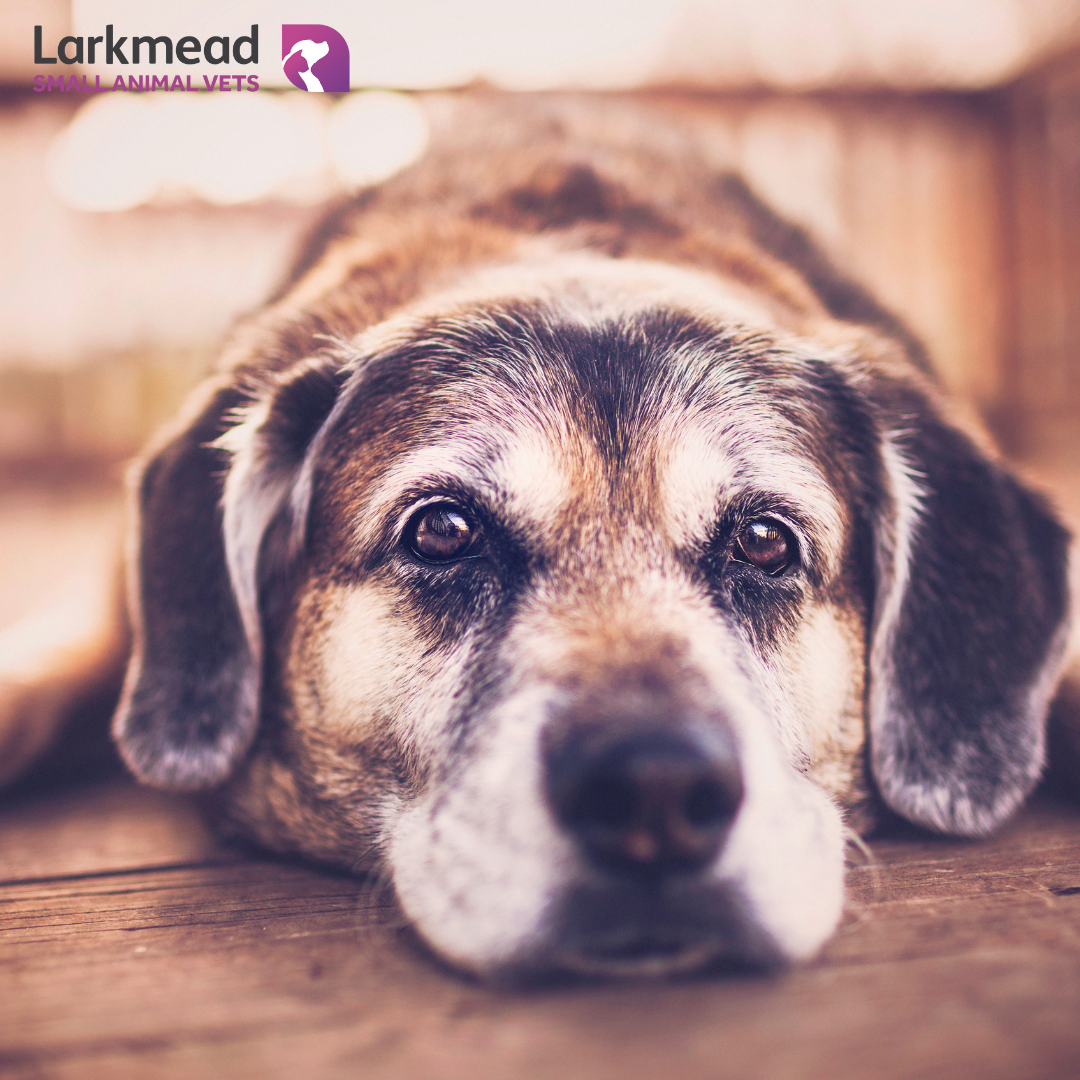
We like to think we know when our pets are in pain – and often we do, when they’re limping or making a noise. But as they age, they experience many of the same health challenges we do, and one of the most common issues is osteoarthritis (OA). This chronic condition affects the joints, causing pain, stiffness, and decreased mobility and sometimes we don’t notice until someone asks us to really look. While arthritis can occur in any pet, it’s especially common in aging dogs and cats. Here’s what you need to know:
Osteoarthritis is a degenerative joint disease that involves the breakdown of cartilage—the smooth tissue that cushions the ends of bones in a joint. Over time, this cartilage wears down, causing bones to rub against each other, leading to pain, swelling, and stiffness. This condition can affect any joint, but it’s most commonly seen in the hips, knees, elbows, and spine.
Some common signs to watch out for are:
- Stiffness, especially after resting: You might notice your pet is slow to rise after a nap or reluctant to move around after lying down.
- Limping or favouring a particular leg: Pets with arthritis may walk unevenly or show reluctance to put weight on a particular limb.
- Decreased activity or playfulness: If your once-energetic pet seems less interested in walks or playtime, arthritis could be a factor.
- Difficulty with stairs or jumping: Dogs might hesitate before climbing stairs or jumping into the car, and cats may avoid jumping onto furniture or may choose to nap on the floor.
- Behavioral changes: Pain can make pets irritable, and they might resist being handled or picked up.
If you suspect your pet may be suffering, please book to see a vet for an assessment. Diagnosis involves a physical exam to assess pain and range of motion, and potentially X-rays or other imaging may be recommended to confirm joint deterioration.
There are a range of options we can offer to help your pet feel more comfortable, making their senior years more enjoyable for the whole family.
Be prepared for firework season!
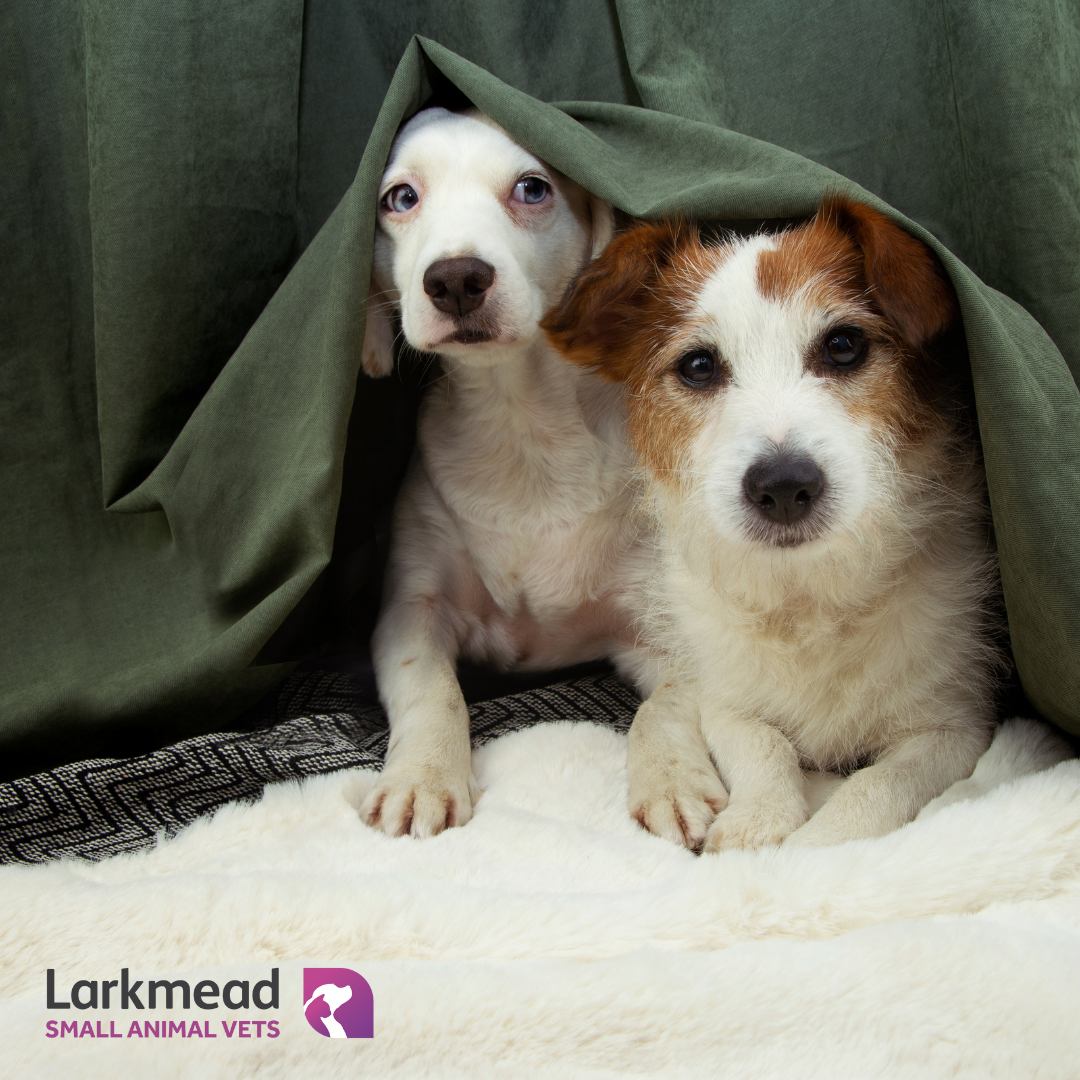
As we approach fireworks season, many of us look forward to the dazzling displays that light up the sky. However, for our pets, these loud events can be a source of anxiety, stress, and even danger. At Larkmead, we understand how important it is to keep our pets calm and safe during these times. Here are some tips to ensure your pets are protected and comfortable when fireworks are in full swing.
1. Create a Safe Space
Animals can become very frightened by the loud booms and bright flashes of fireworks. To help them feel secure, create a designated safe space where they can retreat to if they get scared. This could be a quiet room, a cosy crate, a box (cats particularly like these – especially when placed high up) or even a secluded corner of the house with their favourite bed or blanket. Try playing calming music (some radio stations play pet friendly specific shows) or using a white noise machine to drown out the sound of fireworks.
2. Keep Pets Indoors
While it might seem like a good idea to let your pets accompany you to outdoor displays, it’s best to keep them indoors when fireworks are expected. Pets can panic and run off, increasing the risk of them getting lost. Ensure all windows and doors are securely closed, and if possible, draw the curtains to reduce the impact of flashing lights. Move walks to before dark so there is less chance of your pet being spooked whilst outside.
3. ID and Microchips
Accidents happen, and in case your pet does manage to escape, it’s important they can be easily identified. Double-check that your pet’s collar and ID tags are secure and up to date with your current contact information. Ensure that their microchip registration details are also up to date. A microchip is one of the best ways to ensure a lost pet can be returned to you quickly. You can check which microchip company your pet is registered with, visit Check-a-Chip. If you are unsure of their microchip number, please give us a call.
4. Medication
If your pet has a history of severe anxiety during fireworks, talk to us about calming medication. There are a variety available including pheromone diffusers, and prescription medications that can help reduce stress. A video consultation can be an easy way to discuss this with a vet and can be booked online.
5. Desensitization and Training
Most pets can benefit from gradual desensitization to loud noises. This involves playing recordings of fireworks at a low volume and gradually increasing the sound while offering positive reinforcement like treats or distracting with a game. Over time, this can help reduce their fear of loud sounds. Take a look at the Sounds Scary resources at the Dogs Trust. This is particularly useful to start puppies off on the right foot.
6. Stay Calm and Reassuring
Pets are highly sensitive to our emotions. If you remain calm and composed, your pet is more likely to feel secure as well. Avoid fussing over them too much if they seem anxious, as this can reinforce their fear. Instead, offer gentle reassurance if they approach you and let them settle into their safe space.
7. Plan Ahead
Check local event schedules for fireworks shows and plan accordingly. Keep an eye out for any neighbourhood celebrations that might catch you and your pet by surprise. If you know fireworks are likely, plan to stay home with your pet or arrange for someone to keep them company.
When to Call the Vet
If your pet experiences extreme anxiety or shows signs of distress—such as excessive panting, drooling, pacing, or trying to escape, don’t hesitate to reach out to us. Severe stress can lead to health problems, and we’re here to help you manage your pet’s well-being during this time.
Fireworks might be fun for humans, but they can be terrifying for pets. By taking the right precautions, you can ensure that your pets stay safe, comfortable, and anxiety-free.
Pet Insurance Month

September is National Pet Health Insurance Month! As vets, we believe that pet insurance enables owners to budget for the unexpected, and if the worst happens, it enables our vets to carry out the most effective treatment.
Traditional pet insurance, however, can be very frustrating and leave customers with an unexpected bill to pay. Dealing with insurance providers refusing to pay claims properly also costs our team valuable time that could be spent focussing on our patients.
In March 2023 we were one of the first vet practices in the UK to launch a simpler, fairer approach to pet insurance with Pet Proactive. Their policies are designed to avoid surprises, and they settle claims directly with us.
Lots of our customers are now benefiting from their policies and their track record has been great:
- Every claim settled has been paid in full.
- Claims have been consistently paid quickly – averaging 5 working days every month.
- Over 90% of our customers get cheaper premiums versus comparable pet insurance products*.
- 93% of our customers have gone on to renew their policy with Pet Proactive*.
Some of the features that we like best about their policies are as follows:
- Any treatment or referral we prescribe is covered, up to the policy limit.
- Medical exclusions (pre-existing conditions) are confirmed at the start of the policy so no nasty shocks when a claim is made.
- Premiums are based on our fair pricing and Pet Proactive will never increase your premium just because you have made a claim.
- Unlike most policies where you may need to pay an excess per condition per year, with a Pet Proactive policy you only pay one excess per year of £100 irrespective of how many conditions you are claiming for, up to your annual claim limit.
- With the exception of routine scale and polish treatments, all dental work is covered too.
* as of end of August 2024
Sarah, Larkmead customer and Buddy’s owner commented on our social media:
“We made the move – We have been with PetPlan for nearly 20 years. What made our final decision –
-
- one £100 excess per year
- direct payments

- much cheaper
- the winning one EXCEPTIONAL CUSTOMER SERVICE.
Thank you to Larkmead for making us aware. Great concept!”
Pets need to be under 6 years old to take out their first policy with Pet Proactive, this enables Pet Proactive to keep the premiums affordable as the pet gets older. To get prices for all of your registered pets under 6 years old, please visit their website here.
Image buddy_cavalieradventurer
Itchy Pets?
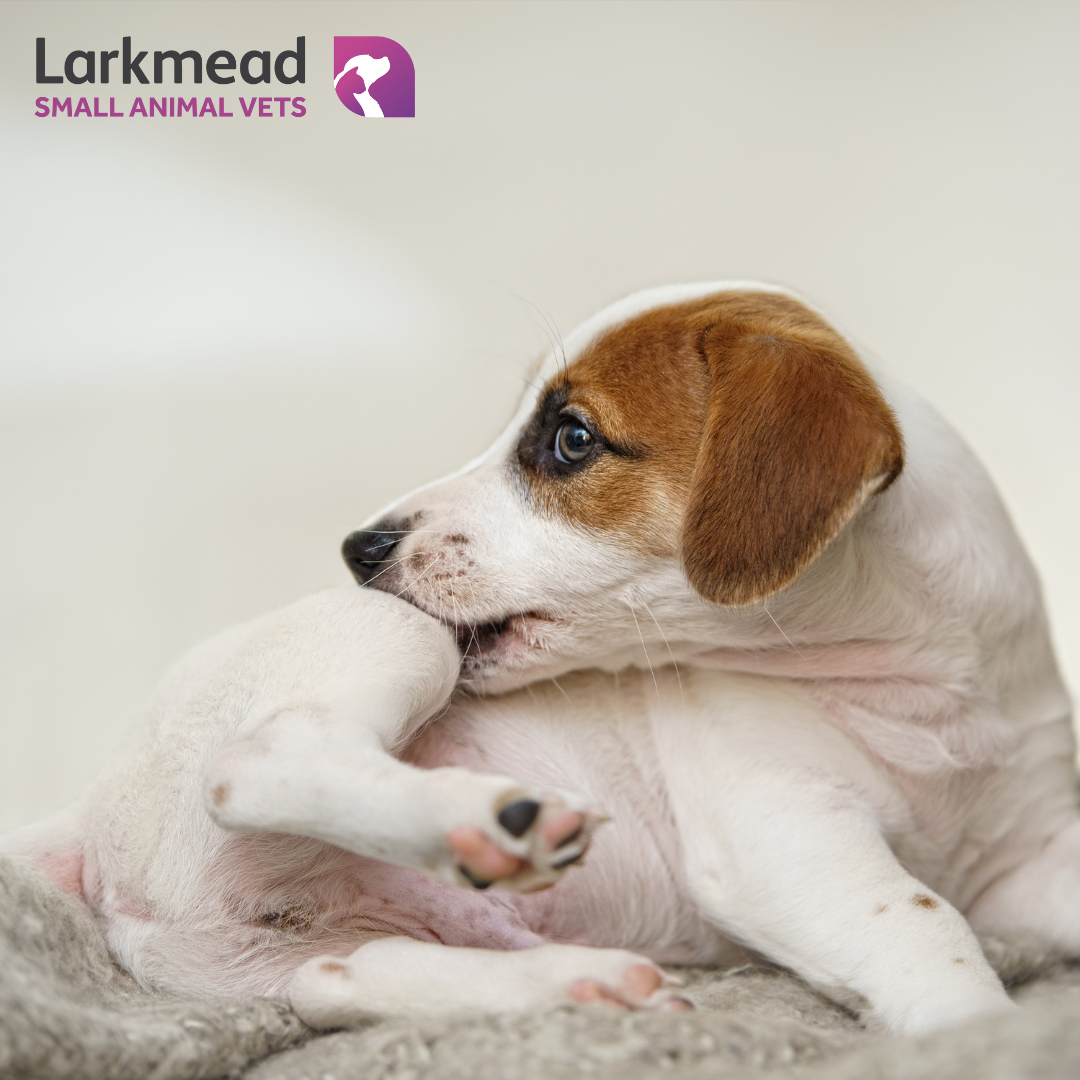
August is officially ‘Itchy Pet Awareness Month’ so we’ve been sharing some info on our social media regarding some of the key pests that can affect our pets:
Fleas
This is probably the most common problem for our domestic pets and can be a real pain to get rid of. Understanding the lifecycle of a flea can help – find out more on our website here.
Humid weather makes an ideal breeding ground for fleas (and this also includes when we all put our heating back on!) who will jump onto your pet to feed, so a prescription strength anti-parasitic treatment is the best tool we have to prevent infestations in your home.
Fleas feed on blood so young or elderly dogs or cats can become weak or even anaemic with prolonged flea infestations but of course, all pets find them very itchy and uncomfortable and the constant itching can cause sores on their skin which can become infected over time.
Routine flea prevention treatments are included with our Lifetime Care Club membership – find out more here.
Mites
Although there are many species of mites, the main ones we see in practice are harvest mites, canine scabies and ear mites.
Harvest mites are common at this time of year and are red/orange in colour. They are picked up in the environment and their bite leaves behind enzymes that cause itching. You may even see some on your own legs/ankles and feel the same!
The good news is that their lifecycle is 10-14 days so may not require any treatment. There are a few parasite treatments that will kill Harvest mites (included with our Lifetime Care Club).
Ear mites are most common in puppies and kittens (although dogs and cats can get them at any age) and they are usually transmitted between infected animals. They cause intensely itchy ears and often lead to ear infections. Your pet will be regularly trying to scratch their ears, rubbing them on the ground or shaking their head.
Ear drops are available to treat infestation but these must be prescribed by a vet and are usually needed for around 3 weeks to ensure any eggs do not hatch.
Canine Scabies is a form of mange cause by a parasite and spread through contact. Skin often becomes red and crusty with hair loss and intense itching, often around ears, elbows and ankles. Scabies can sometimes spread to humans and so direct touch should be avoided.
Treatment is usually via a specific medicated shampoo and dip and should be used on all animals (including cats) that are in regular contact with the infected pet. This may need to be repeated and further treatment may be required if any skin areas have become inflamed.
Lice
Lice are small insects often found in fur and louse species typically stay with their host mammal (e.g. cat to cat or dog to dog) and do not cross species. They can however live on fabrics and bedding and often lay eggs in these areas.
Female lice glue their eggs (nits) to your pet’s hair (near to the skin) and washing alone is not enough to remove them. Therefore treatment via specific products is required and these are available in spot-on, shampoo or sprays and should be used on all pets in contact with the infected host.
Right, now we are all feeling itchy, we’d like to reassure you that severe infestations from these pests are quite rare, provided you react promptly to noticing your pet’s repeated scratching and identify the cause/commence treatment. Please do give us a call if you are concerned!
Summer Hazards!
Summer is upon us, hopefully bringing with it lots of long, sunny days perfect for outdoor adventures. However, the season also comes with potential hazards for our beloved pets. Here are some essential tips to keep in mind to make this summer safe and enjoyable for everyone.
1. Heatstroke: A Serious Risk
Just like us, pets can suffer from heatstroke. Dogs and cats can’t cool themselves as efficiently as humans, making them more susceptible to overheating. Signs of heatstroke include excessive panting, drooling, lethargy, vomiting, and collapse. To prevent this:
Never leave pets in a parked car: Even with the windows cracked open, temperatures inside a car can soar dangerously high in minutes.
Provide plenty of fresh water: Make sure your pets stay hydrated, especially during outdoor activities.
Create cool spaces: Ensure there are shaded or air-conditioned areas where your pets can escape the heat.
In extreme heat, do not walk your pet in the middle of the day, however much they give you ‘that look’.
2. Paw Protection
Hot pavement can burn your pet’s paw pads. Before taking your dog for a walk, test the pavement with your hand. If it’s too hot for your hand, it’s too hot for your dog’s paws. Opt for early morning or late evening walks when the ground is cooler and choose a shaded route with plenty of grass underfoot.
3. Beware of Parasites
Summer is peak season for fleas, and ticks, which can cause significant health issues for your pets.
Use preventative treatments: Regularly apply flea and tick preventatives according to the product instructions.
Regular checks: After outdoor activities, thoroughly check your pet’s fur for ticks and other pests. If you do find a tick, ensure it is removed correctly using a tick remover tool. Watch this video to find out how. You can find out more about ticks on our website.
4. Sunburn Isn’t Just for Humans
Pets, especially those with short or light-colored fur, can get sunburned. Protect your pet by applying pet-safe sunscreen to vulnerable areas like the nose, ears, and belly. Limit their sun exposure, particularly during peak hours.
5. Water Safety
Many dogs love swimming, but it’s important to ensure their safety around water:
Supervise swimming: Never leave your pet unsupervised around pools, lakes, or the sea.
Life vests: Consider a pet life vest for added safety in strong water currents, especially if your pet isn’t a strong swimmer.
Rinse after swimming: Always rinse off your pet after swimming to remove chlorine or saltwater that can irritate their skin.
Algae Blooms: Algae are naturally found in inland waters, however, when conditions are warm it is ideal for growth, and an algal bloom can occur which releases toxins that can be fatal to wildlife and pets. During a bloom, the water becomes cloudy and may look green, blue-green or greenish-brown. Scums can form when bloom forming species rise to the surface – this can look like paint, mousse or small clumps. If the water does not look clear, it is safest to keep yourself and your pets out. Visit the government website for further information.
6. Grass Seeds
Grass seeds, particularly those from longer weedy grasses, are small, arrow-shaped seeds that can easily become lodged in your pet’s fur, skin, ears, eyes, nose, and even paws. Their shape allows them to move in only one direction, making them particularly dangerous as they can burrow deeper into your pet’s body over time.
Signs to look out for are Persistent licking or chewing of paws/legs, Head shaking or scratching at ears, sore areas on the skin that may have discharge, limping, persistent sneezing or coughing.
Find out more on our website.
7. Travel Safely
If you’re planning a summer road trip, make sure your pet is secured in the car. Use a pet seat belt, carrier, or crate to keep them safe and ensure they have shade. Make regular stops for bathroom breaks, water, and a bit of exercise.
By taking these precautions, you can help ensure your pet stays healthy, happy, and safe throughout the summer.
Wishing you and your pets a fantastic summer!
Grass Seed Season
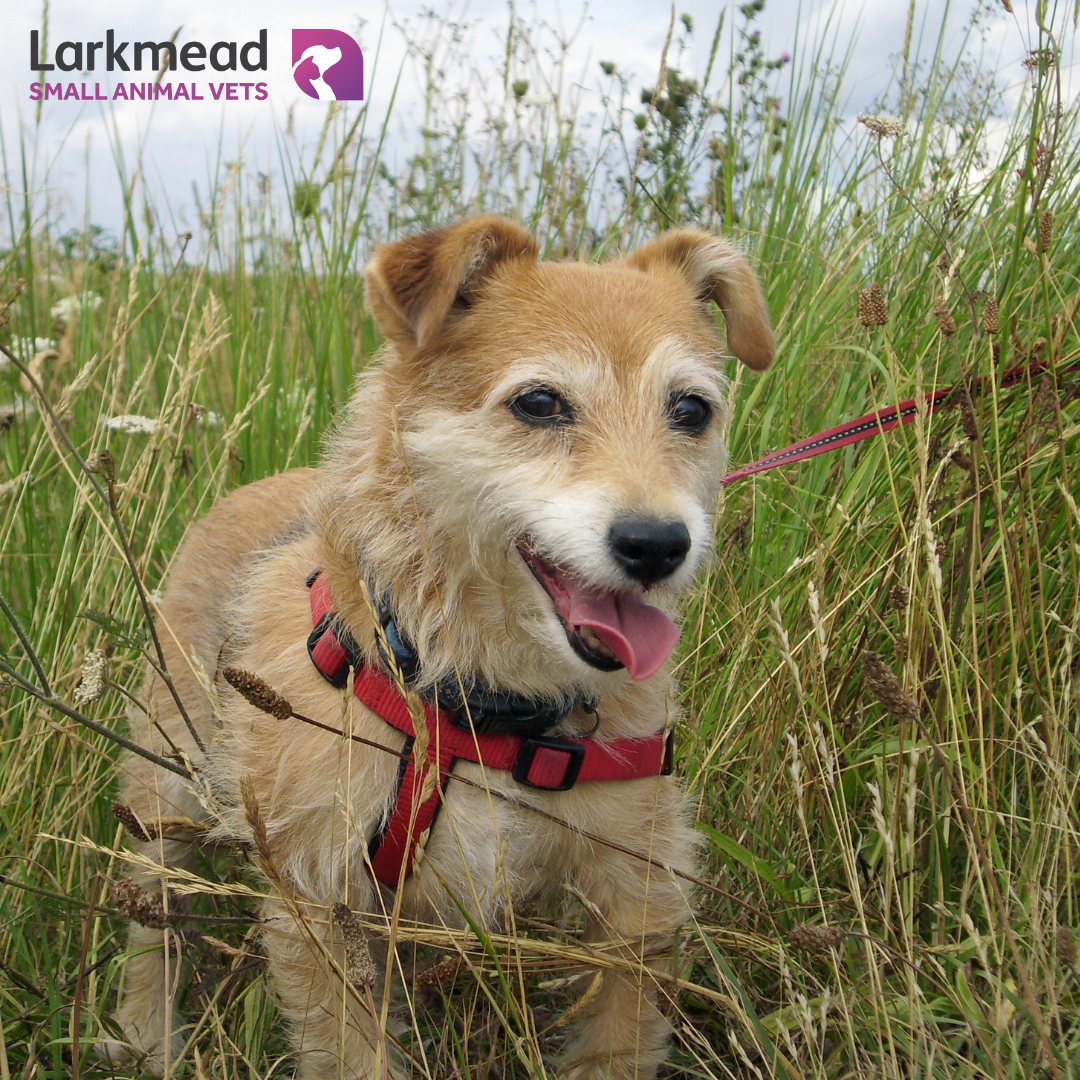
We’re so lucky living in Oxfordshire and having so many lovely green spaces on our doorsteps. The downside of these, is the hazard of grass seeds to our pets and recently, we’ve seen lots!
Grass seeds, particularly those from longer weedy grasses, are small, arrow-shaped seeds that can easily become lodged in your pet’s fur, skin, ears, eyes, nose, and even paws. Their shape allows them to move in only one direction, making them particularly dangerous as they can burrow deeper into your pet’s body over time.
Why Are They Dangerous?
Inflammation: Once embedded, grass seeds can track into the tissue, leading to painful inflammation.
Abscesses & Infection: If a grass seed becomes lodged under the skin, it can create an abscess, a painful, swollen area filled with pus. Abscesses often require medical intervention, including draining and antibiotics. Infections can be difficult to treat especially if the seed has travelled far into the tissue (and of course, grass seeds are not visible using x-ray).
Organ Damage: In extreme cases, grass seeds can migrate through the body, potentially reaching vital organs such as the lungs, heart, or brain. This can cause life-threatening conditions that require emergency veterinary care.
Respiratory Issues: If inhaled, grass seeds can become lodged in the nasal passages or lungs, leading to breathing difficulties and severe respiratory distress. Watch out for sneezing and trying to rub their nose – this can be an indicator that something is stuck!
Ocular Damage: Seeds can easily enter the eyes, causing irritation, redness, and even corneal ulcers, which can impair vision if not treated promptly.
Signs to Look Out For:
Persistent licking or chewing: Especially on paws, legs, or other areas.
Head shaking or scratching: Particularly the ears.
Red, swollen, or discharge-producing areas: On the skin or in the eyes, nose, or ears.
Limping: Or any signs of discomfort while walking.
Sneezing or coughing: Especially if it is persistent or severe.
Prevention Tips:
Regular Inspections: After your pet has been outside, especially in grassy or weedy areas, thoroughly check their fur, paws, ears, and other vulnerable areas for grass seeds.
Grooming: Keep your pet’s fur trimmed, particularly around the paws, ears, and other areas where seeds are likely to get caught. Regular grooming can make it easier to spot and remove any seeds before they cause harm.
Avoidance: Try to avoid areas with tall, weedy grasses during peak seasons. Stick to well-maintained paths and lawns when walking your pet.
What to Do If You Suspect a Problem:
If you notice any signs that your pet might be affected by grass seeds, contact us. Early intervention is crucial to prevent more serious health issues. Your vet may need to perform a physical examination, imaging, or even minor surgery to remove the seed and treat any resulting infections.
By staying vigilant and taking a few preventative measures, you can help ensure that your pet enjoys the great outdoors safely and comfortably.
Travelling Abroad with your Pet
As the summer gets closer, we know that lots of you will be wanting to take your pet on holiday abroad with you.
At Larkmead, a number of our vets are Official Veterinarians, meaning they are licenced to provide you with an Animal Health Certificate for travel. This AHC replaced the old Pet Passport scheme.
In order to travel to the EU, your pet will need an AHC which can only be issued a maximum of 10 days before the date of travel. This involves an appointment in branch where the vet will check your pet’s fitness to travel and ensure all of the checks are done in order to issue the AHC. The paperwork is then completed and you will be asked to return to collect it once this has been done.
Your pet must be microchipped and have been vaccinated against rabies a minimum of 21 days before travelling.
For some destinations, your dog will also need a tapeworm treatment before travel. Depending on the length of your visit, you will also need to visit a vet abroad and have them give your pet a tapeworm treatment and certify this has been done on your AHC paperwork. Without this your pet will not be allowed back in to the UK.
There are also a number of diseases endemic in Europe that we would recommend you consider protecting your pet against whilst travelling. These include Babesia and Erlichia (spread by ticks), Heartworm (spread by mosquitoes) and Leishmaniasis (spread by sandflies). Please discuss preventative treatments with your vet.
Some further information is available here.