Safe Spaces during Fireworks Season
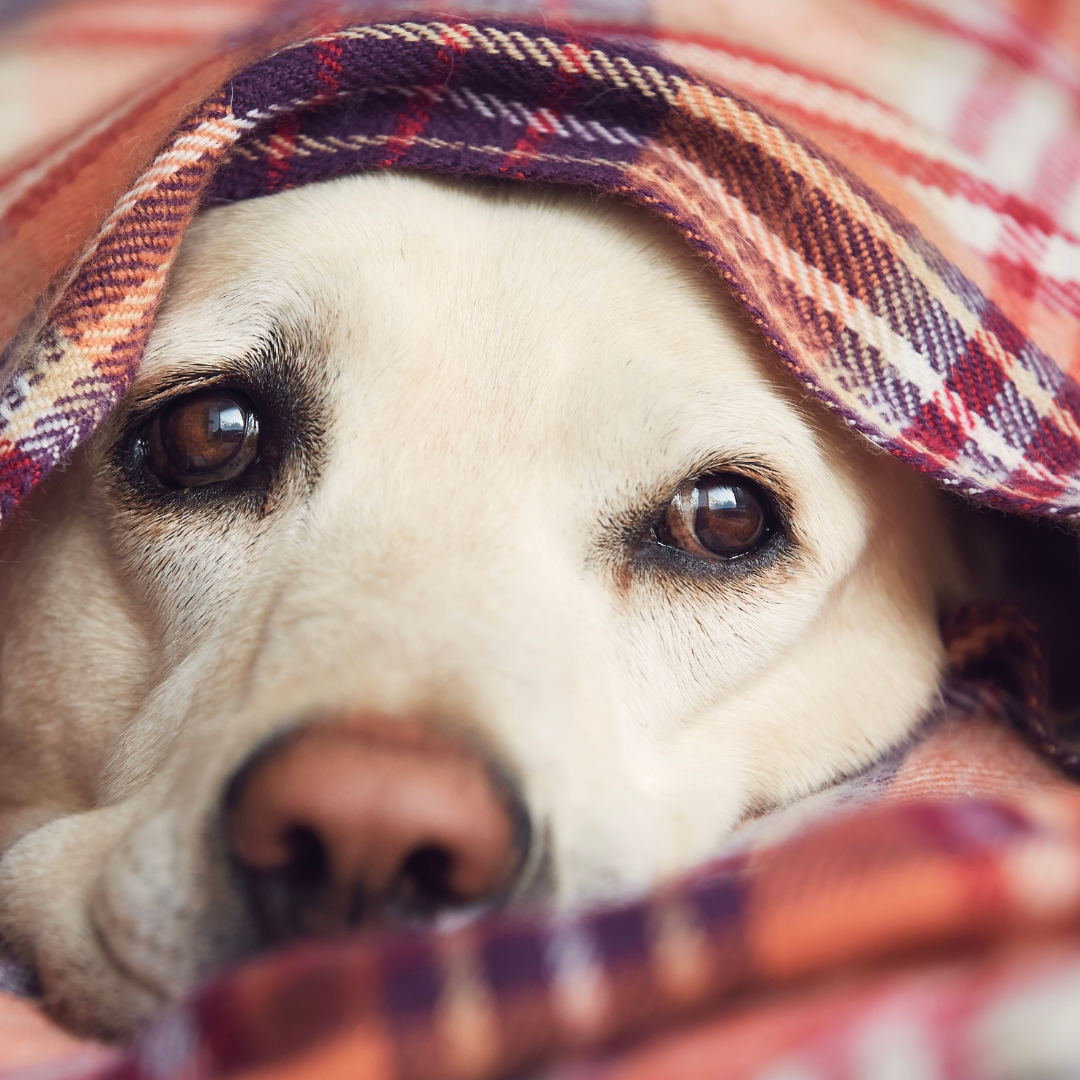
For some dogs, firework season can be a scary time. Not only is it dark outside but the loud noises can feel sudden and unpredictable. Whilst we do recommend desensitising and counter-conditioning your dog to firework noises using the Dog’s Trust Sounds Scary free online program, it is always a good idea to prepare safe and appropriate coping strategies for them – such as a Safe Den.
When dogs are nervous, they go into what we call a ‘protective’ state. During this time, they will use one of four coping strategies: Inhibition, Appeasement, Repulsion or Avoidance. During firework season, we mostly see avoidance being used – when we see dogs trying to hide to get themselves as far away from the noise as possible.
Why should I build my dog a Safe Den?
It is really important that your dog is allowed to do this as hiding will increase their general sense of security. Offering your dog somewhere safe to ride out the fireworks helps keep their fear at a low enough level that they won’t panic and try to run away, or cause damage in the home from attempting to hide somewhere inappropriate. It is also important that the Safe Den is created in advance of firework season so that it is already an established safe space for your dog.
Where should I create my dog’s Safe Den?
A Safe Den should be somewhere your dog is comfortable spending time in. They may already have a crate or a bed they like to rest in, or it might be a room they spend most of their time in. If your dog does not enjoy a crate, using the side of a favourite sofa, under a bed or beneath a table works just as well. A small space generally works best to give them that sense of security they are after.
How should I create my dog’s Safe Den?
If you are using a crate, you can start by covering it with blankets to help soundproof the area, and to make it feel safer. Take their favourite bed inside and lots of blankets for comfortable layering. If you are using a separate area, make sure there is plenty of comfortable bedding on the floor and if possible, cover with a blanket. This really works over a table to make a hidey space for your dog underneath. Make sure your dog has their favourite toys in the Safe Den to help them feel comforted and to also include any long lasting chews that they might enjoy. Chewing is a good activity for your dog to engage in when, and if, they feel ready to do so, as it helps calm them down and process the negative emotions they are feeling. Finally, ensure your dog’s water bowl is within close range so that they can safely access it.
How can I introduce my dog to their Safe Den?
Start by offering yummy treats inside the den. Give them their favourite chews and toys and allow them to have free access to it in advance. You might also want to do some fun training within the Safe Den to help build a positive association with it.
What else can I do during firework displays?
It is essential that every family member and visiting person is aware of your dog’s Safe Den and knows not to go inside it, especially when your dog is using it. Your dog must be left alone when using it, but it is okay if they approach you to offer some reassurance by giving a gentle pat and some calming words.
You can also play music to aid in relaxation. Classical or Reggae music can work well for some dogs. It may also be a good idea to use a more continuous noise to help cover the sound of fireworks, such as white noise. Try to get your dog used to this noise beforehand as this can be quite overwhelming for some.
If your dog really struggles with fireworks, or you find that they take more than a day to recover, please contact us to arrange an appointment with one of our vets so we can discuss medication and behavioural options.
We’re also sharing tips on our Facebook page this month.
The importance of pet insurance

Our pets are more than just animals—they’re part of the family and we do everything we can to keep them happy, healthy, and safe. But just like us, pets can face unexpected health challenges, and emergency veterinary care can soon mount up. That’s where pet insurance comes in.
Pet insurance helps cover the cost of medical care, emergency surgery and long-term conditions. Having the back up of a good insurance policy means we can recommend what is clinically the best option for the situation, and you won’t have to make difficult decisions about your pet’s health based solely on finances.
Coverage Options
There are so many options for pet insurance and unlike insurance policies for cars/houses etc, generally if you move insurance provider, any conditions that your pet has been seen for (even if you have never claimed from the insurance policy), may not be covered due to terms & conditions and exclusions. If you’ve never had pet insurance before, you can read more about the types of policies available (and why they’re not all the same!), on our website here.
In 2023, we were one of the first vet practices in the UK to launch a simpler, fairer approach to pet insurance with Pet Proactive. Over 600 of our clients are now benefiting from their policies – including the fact that once you have paid us your £100 annual excess, we accept all direct claims (e.g. Pet Proactive pay us directly for your bill) and (with your instruction) can make the claim on your behalf.
If you already have pet insurance, and your dog or cat is under 6 years old, unlike with the majority of pet insurance providers, you can ask Pet Proactive for a free Switch Check. Pet Proactive will provide you a quote and (with your permission) will check your pet’s clinical history and let you know in advance if there are any exclusions to your cover. You can then make an informed choice as to where to switch providers or not. It is also worth noting that you do not need to wait for your annual renewal to do this – provided you have not made a claim during the policy year, insurers should allow you to cancel your policy at any time and provide a pro-rata refund of any unused months left on the policy term.
If you don’t yet have pet insurance, you can get a quick and free quote online.
Ultimately, pet insurance is about providing security and support when it matters most. It’s a proactive step to ensure your pet receives the best possible care throughout their life. It could be one of the best investments you make for your pet’s health—and your peace of mind.
Find out more about pet insurance and why we partner with Pet Proactive here.
Changes to our services for the weekend of 6/7 September 2025

On the weekend of the 6th and 7th of September, we are having some work done in our reception to improve appearance and operational efficiency.
During this weekend, we will be moving services temporarily to other practices in order to be able to continue to offer routine appointments and of course, our 24-hour emergency service.
All of our phone lines will be diverted to where the team are, so you can continue to use your usual preferred phone number should you need to call us.
Daytime Appointments
We will be providing routine appointments at our Great Western Park branch. We will be in touch to move any existing appointments if needed. All other daytime appointments for urgent care, will be directed to our Cholsey branch on both Saturday and Sunday.
Pre-booked Saturday appointments at Cholsey are unaffected.
24-hour Emergency Provision
This will operate from our Cholsey branch from the evening of Friday 5th September to the morning of Monday 8th of September. Cholsey has full hospitalisation facilities, along with separate cat and dog kennels for inpatients. Our team will remain on-site with any inpatients as usual.
We are doing our best to ensure that all services remain available during these works and we apologise for any inconvenience.
Care for Ferrets
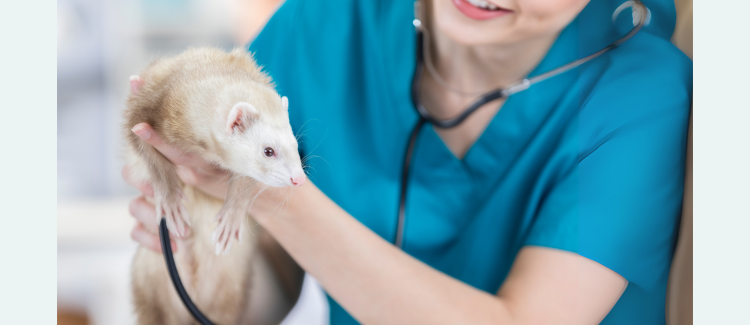
At Larkmead, we have several vets with a specific interest in treating ferrets, and there are several ways we can help owners to care for them. As well as providing treatment for unwell ferrets, there are several preventative healthcare measures that are well worth considering as part of routine pet husbandry. An appointment with one of our exotics team is a great way to start, as it gives us an opportunity to examine your ferret and discuss the various options, find out more: Ferret care | Larkmead Vets
What’s lurking in the grass?
At this time of year, we see a noticeable rise in cases involving grass seed injuries. While they may look harmless, these small, dart-like seeds can cause major problems when they become lodged in your pet’s fur, ears, eyes, paws, or even get inhaled.
🚨 Why Are Grass Seeds Dangerous?
Grass seeds (often from wild grasses) are designed by nature to burrow into the soil — but unfortunately, they can also burrow into your pet’s body. Due to their sharp shape and barbed texture, they can easily penetrate skin and tissues, leading to painful infections and abscesses.
Common problem areas include:
- Ears: Seeds can get deep into the ear canal, causing head shaking, scratching, ear infections and even deafness.
- Paws: They often become embedded between the toes, causing limping, swelling, or sudden lameness.
- Eyes: A grass seed can scratch the eye or hide beneath the eyelid, which can lead to discharge, damaged corneas or even blindness.
- Nose: Inhalation of a grass seed can result in sneezing fits, nasal discharge, or even serious respiratory issues if they migrate into the respiratory tract.
- Skin & Coat: Seeds can embed anywhere on the body, sometimes traveling under the skin and causing deep infections.
👀 Signs to Watch For
- Sudden, persistent head shaking or ear scratching
- Excessive licking or chewing at a specific paw
- Limping without an obvious injury
- Swelling or discharge from any part of the body
- Sneezing or nasal discharge after a walk
- Visible redness or discomfort in the eyes
If your pet shows any of these signs, don’t wait — contact us right away. Early treatment can prevent more serious complications.
🐶 What Can You Do?
Prevention is key. Here’s how you can protect your pet:
- 🧹 Check daily: Inspect your pet’s ears, paws, armpits, and coat after walks — especially if you’ve been near long grass or fields.
- ✂️ Keep fur trimmed: Particularly around paws, ears, and underarms, especially for breeds with long or curly coats.
- 🚶 Stay on paths: Avoid tall grass and wild fields during peak seed season (late spring to early autumn).
🩺 When in Doubt, Check It Out
Grass seeds can cause serious harm quickly, so prompt action is always the best response. If you’re unsure, give us a call.
Wishing you and your pets a happy, healthy summer!
Feeling hot, hot, hot! 🥵

As the sun shines brighter and temperatures soar, it’s important to make sure your furry family members stay safe, happy, and healthy. Just like us, our pets can struggle in the heat — but with a few simple precautions, you can help them stay cool and comfortable.
🌡️ Watch for Signs of Heat Stress
Unlike humans, pets cannot sweat so they rely on panting and limited sweating through their paws to cool down. Signs of heat exhaustion include:
- Excessive panting or drooling
- Weakness or lethargy
- Vomiting
- Bright red gums or tongue
- Collapse
If you notice any of these symptoms, move your pet to a cool place immediately, wet them with cold water and contact us or your nearest emergency vet.
🚫 Never Leave Pets in a Parked Car
Even on a mild day, a parked car can turn into an oven in minutes. Leaving a window cracked is not enough to keep the temperature safe. When in doubt, it’s best to leave your pet at home in the cool with the curtains closed – this is particularly important for elderly, overweight, or brachycephalic (short nosed) breeds. Similarly, never leave a pet in a conservatory.
🐶 Hydration is Key
Make sure your pet always has access to fresh, clean water. If you’re heading out for a walk (outside of the main heat of the day), take a portable water bowl and extra water. You can even add ice cubes to their bowl for a refreshing treat!
🏖️ Walk Smart
Try to walk your dog early in the morning or later in the evening when it’s cooler. Hot pavement can burn paw pads — if you wouldn’t walk barefoot on it, neither should they! Finding walks with shaded grassy paths helps to keep them safe and we are lucky to live near to such lovely green spaces.
Avoid playing ball games as this is very high energy play and can easily cause overheating. If you have multiple dogs, you may need to restrict inter-dog play as they often don’t know when is a good time to stop and rest.
❄️ Create Cool Zones at Home
Whether you have a dog, cat, or small furry, make sure they have a shaded place to rest. You can also use fans, pet cooling mats, or damp towels to lie on for extra relief. Do not cover pets, even with damp towels, as they quickly radiate heat back and increase the body temperature.
🐕🦺 Grooming for Comfort
Regular brushing helps remove excess fur, which can help your pet stay cooler. But don’t overdo it — some breeds rely on their coat for insulation. Check breed specific guidelines.
🐇 Small Furries
Ensure cages and enclosures are kept out of the direct sun and are well ventilated. Rabbits in particular, are prone to flystrike (when flies lay their eggs in their fur) and this can very quickly become fatal once the maggots hatch. Keep spaces clean and check your rabbits bottom at least once a day and clean and dry if needed.
💙 We’re Here for You
Whether you need advice, a summer check-up, or just want to say hello, we’re always happy to see you and your pets. Give us a call or book an appointment online!
Changes to our services for the weekend of 14/15 June 2025
On the weekend of the 14th and 15th of June, we are having some work done in our reception, operating theatres and consultation rooms at Park Road to improve appearance and operational efficiency.
During this weekend, we will be moving services temporarily to other practices in order to be able to continue to offer routine appointments and of course, our 24-hour emergency service.
All of our phone lines will be diverted to where the team are, so you can continue to use your usual preferred phone number should you need to call us.
Daytime Appointments
We will be providing routine appointments at our Great Western Park branch. We will be in touch to move any existing appointments if needed. All other daytime appointments for urgent care, will be directed to our Cholsey branch on both Saturday and Sunday.
Pre-booked Saturday appointments at Cholsey are unaffected.
24-hour Emergency Provision
This will operate from our Cholsey branch from the evening of Friday 13th June to the morning of Monday 16th of June. Cholsey has full hospitalisation facilities, along with separate cat and dog kennels for inpatients. Our team will remain on-site with any inpatients as usual.
We are doing are best to ensure that all services remain available during these works and we apologise for any inconvenience.
It’s Tick Season!
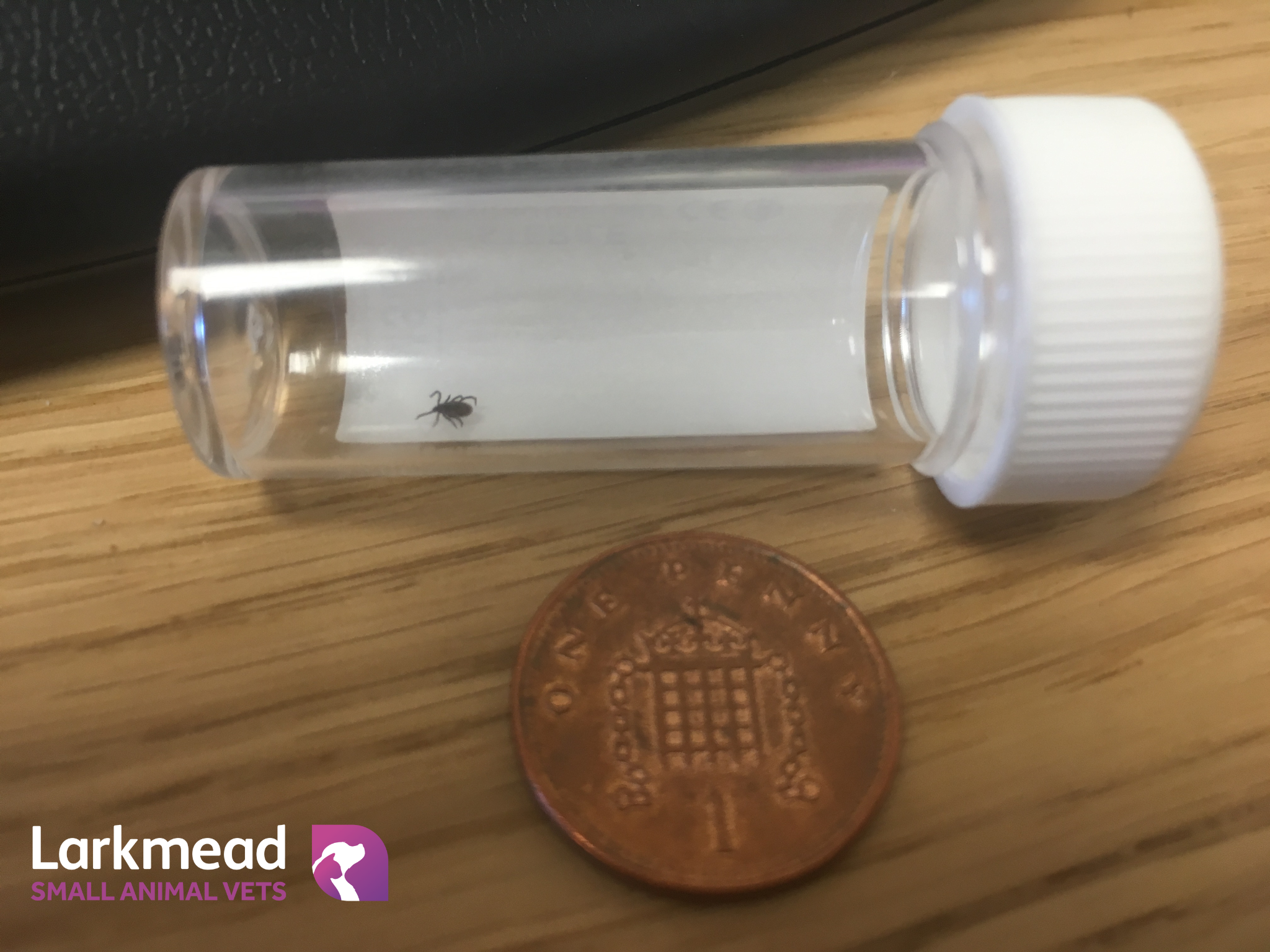
As warmer months settle in across the UK, so does the increased risk of ticks. These tiny parasites might seem insignificant, but they can pose serious health threats to our pets—and even to humans.
Why Are Ticks a Problem?
Ticks are blood-sucking parasites that latch onto mammals, birds, and sometimes reptiles. In the UK, the most common species include the sheep tick (Ixodes ricinus), hedgehog tick (Ixodes hexagonus), and the brown dog tick (Rhipicephalus sanguineus), with some now becoming more common due to warmer climates and increased pet travel.
Ticks are more than just a painful nuisance. They are known carriers of harmful diseases such as:
- Lyme disease – caused by the Borrelia bacteria, this can affect both pets and humans, leading to joint pain, lethargy, fever, and in some cases, neurological issues.
- Canine babesiosis – a tick-borne disease now present in some parts of the UK, it can cause fever, anaemia, and in severe cases, death.
Where Are Ticks Found?
Ticks are commonly found in grassy, wooded, or overgrown areas. However, urban parks, gardens, and even long grass in gardens can harbour them, particularly if wildlife visit. Pets who love exploring outdoors are at higher risk—particularly dogs, but cats too.
What Can You Do to Protect Your Pet?
- Check your pet regularly – especially after walks in high-risk areas. Pay close attention to the head, ears, ‘armpits’, neck, and feet.
- Use a tick prevention product – from spot-on treatments to collars and oral tablets, we can advise on the best solution for your pet. The majority of these products are available with your Lifetime Care Club membership.
- Stay up to date with parasite control – prevention is far easier (and cheaper) than treatment.
- Remove ticks safely – never use fingers or tweezers. Instead, use a tick removal tool, grasping the tick as close to the skin as possible and gently twisting it out. This ensures that no part of the tick is left behind to cause an infection. Vet Liz shows us how here.
If you’re unsure how to remove a tick, want advice on prevention, or notice any unusual symptoms in your pet, please give us a call.
Western Veterinary Acupuncture
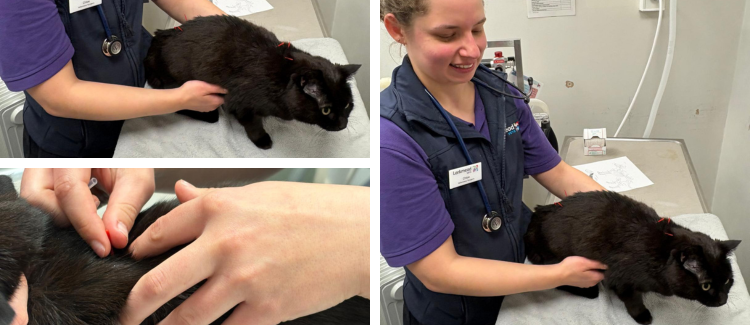
In recent years, Western veterinary acupuncture has gained momentum as a complementary treatment option for pets suffering from a range of conditions. While rooted in ancient Chinese medicine, the Western approach integrates this time-honoured practice with contemporary veterinary science—offering a holistic, evidence-based way to improve animal health and well-being.
We are very pleased to be able to offer this service at Larkmead, under the care of Vet Chloe.
What Is Western Veterinary Acupuncture?
Western veterinary acupuncture adapts traditional acupuncture principles to modern veterinary knowledge. It involves the insertion of fine, sterile needles into specific points on an animal’s body to stimulate nerves, increase blood flow, and trigger the release of natural pain-relieving chemicals like endorphins and serotonin.
Unlike Eastern philosophies that focus on energy flow or “Qi,” the Western model views acupuncture through the lens of neurology and physiology. This scientific perspective allows vets to incorporate acupuncture seamlessly into treatment plans alongside medications, surgery, or physical therapy.
What Conditions Can It Help?
Acupuncture can benefit a wide range of conditions, particularly those involving pain and inflammation. Common applications include:
- Arthritis and joint disease
- Back pain and spinal issues (e.g., intervertebral disc disease)
- Chronic gastrointestinal issues (like IBD or nausea)
- Neurological disorders, including seizures or nerve injuries
- Post-operative recovery and rehabilitation
- Anxiety and behavioural concerns
Acupuncture can also provide relief for pets that cannot tolerate certain medications or have not responded well to other treatments.
Why Consider Acupuncture?
- Non-invasive and low-risk: When performed by a certified veterinary acupuncturist, the procedure is very safe with minimal side effects.
- Pain management without medications: It’s especially valuable for senior pets or those with liver or kidney sensitivities.
- Improved quality of life: Many pet owners report noticeable improvements in mobility, mood, and energy levels after a series of treatments.
- Customisable care: Treatments can be tailored to each animal’s unique health needs and comfort level.
What to Expect
Acupuncture sessions typically last 15 minutes (with a longer first session for assessment). Most pets tolerate the needles very well—some even become so relaxed that they fall asleep during the session!
Is It Right for Your Pet?
If your pet suffers from chronic pain, mobility issues, or a stubborn condition that hasn’t responded to conventional treatment or that treatment seems to be less effective of late, Western veterinary acupuncture might offer a new path to relief. Some insurance companies offer cover (often as a complimentary therapy which can be a separate fee limit) so it may be worth checking your individual policy.
If you’d like to learn more about this new service, please checkout the further information here or give us a call.
Preparing for fireworks – start now!
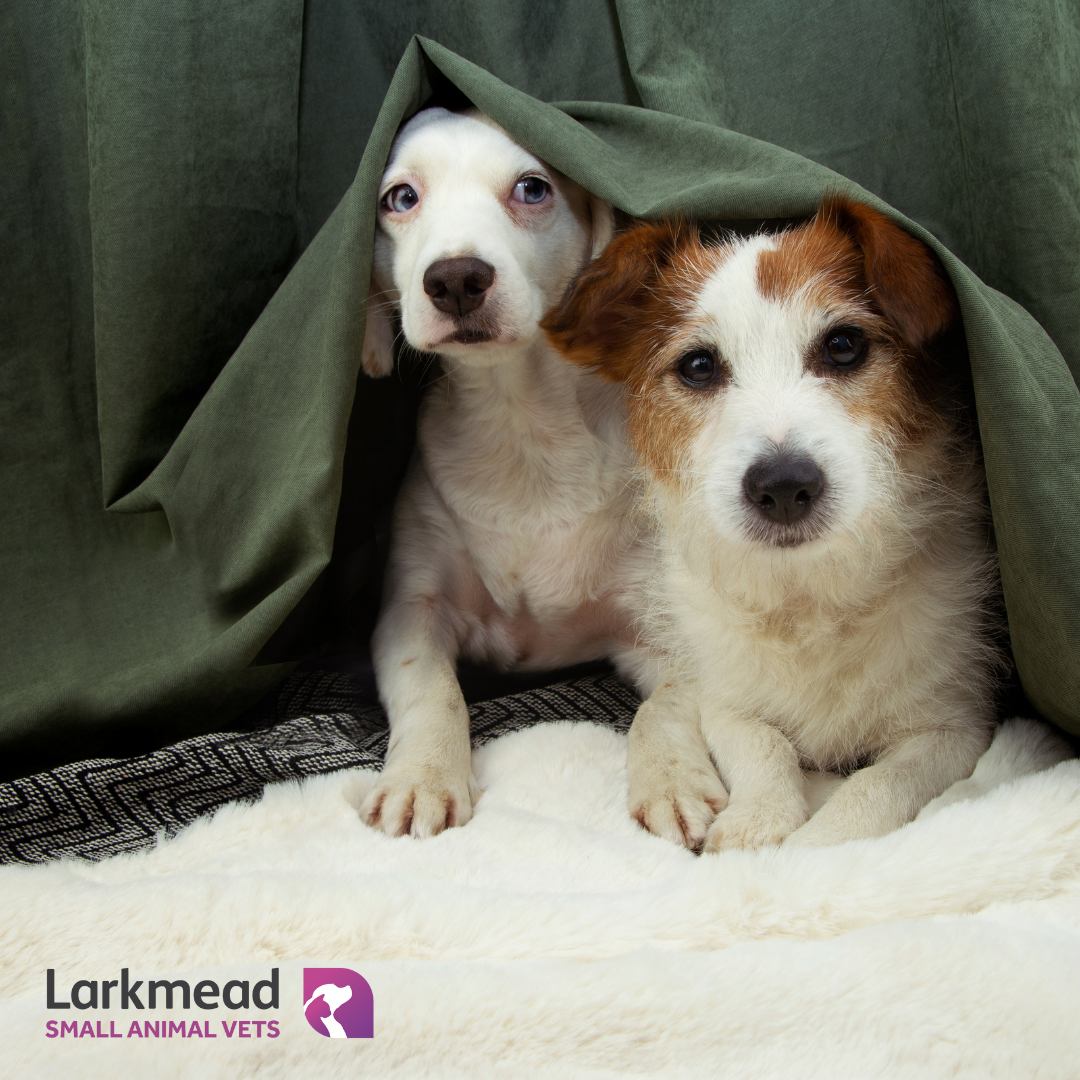
We know fireworks ‘season’ seems a long way off – and it is, but now is the best time to start desensitising your dog in readiness, particularly if they are young and this will be their first experience.
Fear of fireworks can start at any age (even in pets who may have taken no notice in previous years), you may be able to associate it with a particular trigger, for example you are out for your evening walk and fireworks start banging in the sky and your dog suddenly wants to rush home. But for some, we never really know what starts the fear association off.
There are lots of signs (not necessarily obvious) that your dog is finding the loud noises distressing:
- Whimpering, whining, barking, crying or growling
- Constantly seeking your attention
- Panting, drooling or lip-licking
- Hiding
- Visible shaking
- Restlessness and pacing
- Loss of appetite
Helping to desensitise them can be extremely beneficial – particularly when done at a young age. Here are our top tips:
- Take this process slowly – it is best done over a number of months and repeated regularly
- Visit the Dogs Trust website and play their Sounds Scary track – start with a very low volume
- Whilst it is playing in the background, provided your dog is not taking any notice, offer them their dinner or a treat
- Follow this up with their favourite indoor game
- Repeat this weekly – each week, gradually increase the volume you are playing the sounds at, until it’s very loud! By this point, your dog should be taking very little notice.
- If your dog becomes distressed or worried when playing the noises, turn them down again. Although it is ok to comfort your dog if they come to you, it is best not to seek them out – they will look to you for direction over worrying events and if you are carrying on making the dinner, chatting etc, they will understand there is no real danger.
If you need any help, please book a video consult with one of our veterinary team or come in to see one of our nurses at their clinics as we are keen to support your pets and have other options available if desensitisation does not work.