September is Pet Insurance Month
There has been a lot of talk in the media recently about vet pricing – prompted by the final report from the Competitions & Markets Authority (CMA) into the industry.
Whilst some of the headlines are misleading, there is a lot of good change coming in order to ensure that you, as pet owners, have transparency with your vet practice and can easily compare prices for routine care. At Larkmead, our prices have been published on our website for a few years now and we work hard to ensure that these balance the needs of our business (to pay our staff fairly, keep our premises well maintained, pay our taxes and ensure that we invest in staff training and our equipment) with those of pet owners wanting to give their pet’s the best care possible. And to this means, we encourage our clients to take out a good lifetime pet insurance policy when your pet is young. When they are healthy, your policy is unlikely to have any exclusions added, meaning you will be covered (to the policy limit) for any unexpected diagnostics, treatment and long term conditions that may arise.
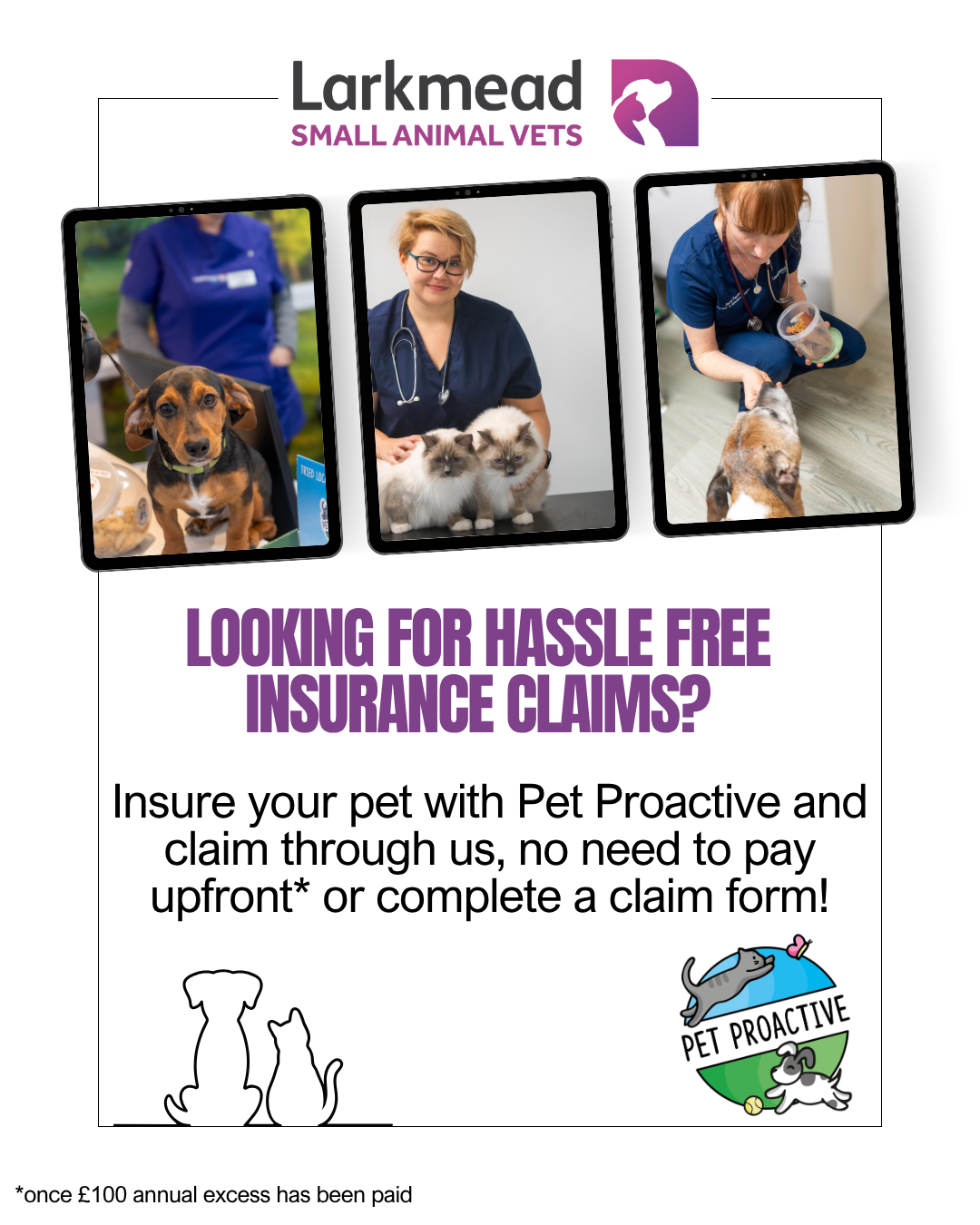
At Larkmead, we partner with Pet Proactive who only work with independent vet practices and through this partnership, can offer greater clarity to customers and take away the hassle of claiming. Our collective aim is that you don’t waste time worrying about pet insurance, you deal with us, and we focus on your pet.
Whichever Pet Proactive lifetime policy you choose comes with the following good to know features:
- A clear and simple policy which confirms any exclusions from the start
- Based upon trust in our practice, so any treatment or referral we prescribe is covered up to your policy limit *
- Premiums are based on the fair pricing at Larkmead Vets and making a claim will not affect your premium
- Unlike most policies where you may need to pay an excess per condition per year, with a Pet Proactive policy, you only pay one excess per year irrespective of how many conditions you are claiming for, up to your annual claim limit. Larkmead will process your claims upon request with payment made directly to Larkmead. **
- Covers treatment through another vet practice if you are away from home
- Lifetime cover so your policy limits refresh every year
*excluding any pre-existing conditions
** Provided monthly premiums are up to date with Pet Proactive. If you are referred to another veterinary practice for treatment, you may need to make payment and claim this back.
To take out a policy with Pet Proactive you must already be registered with Larkmead Vets, commit to your primary care with Larkmead Vets and your pet must be less than 6 years old (when taking out the policy). To find out more please visit the Pet Proactive website.
Getting Ready for Autumn
As summer starts to wind down, and thankfully the heat waves seem to be behind us 🤞, it is a good time to give our pets a little seasonal health check. Warmer weather, longer walks and time spent outdoors can all leave their mark, so a few simple checks now can help dogs, cats and small pets move comfortably into autumn.
Keep an eye out for itchy skin, sore ears, grass seeds, ticks and fleas, especially if your pet has been running through long grass or woodland. Fleas and ticks can remain active into autumn, and central heating often gives fleas a helpful boost indoors, so keeping parasite protection up to date is still important.
Late summer can also bring changeable weather. Some days may still be warm enough for heat-related problems, so continue to walk dogs during cooler parts of the day, provide plenty of fresh water, and avoid strenuous exercise in the heat. As evenings draw in, reflective collars, leads or lights can help keep pets and owners visible on walks.
Autumn hazards are worth thinking about early too. Conkers, acorns, mushrooms, slug pellets, rodenticides and antifreeze can all be dangerous to pets, so take care in gardens, sheds, garages and on walks. If you think your pet may have eaten something harmful, please contact your vet promptly for advice.
Finally, now is the ideal time to start preparing anxious pets for fireworks season. Creating a safe den, using background noise, checking microchip details are up to date and speaking to the practice early about calming support can make a real difference before the bangs begin.
If you have any concerns about your pet’s skin, ears, weight, parasite protection or seasonal anxiety, our team will be happy to help. Now, does anyone know where they put their coat? 😂
Keeping Pets Safe in the Heat
Warmer weather can be lovely, but it can also be risky for our pets. The recent temperatures have been trying for us all but imagine having a fur coat on!
Dogs, cats, rabbits and small furries can overheat quickly, and heatstroke can become life-threatening if not treated promptly.
Simple ways to reduce the risk
Walk dogs early in the morning or later in the evening, when temperatures are cooler. Or not at all if the temperature has not reduced enough to be comfortable.
Never leave pets in cars, conservatories, caravans or poorly ventilated rooms, even for a short time.
Provide plenty of fresh water and access to shade throughout the day. If your pet is happy in water, supervised access to a paddling pool can provide some cooling playtime. Never put a wet towel on your dog as this can quickly cause their body temperature to rise with heat trapped underneath the fabric. If you use a garden hose, make sure that you run-off the first water which can have heated up in the hose pip and could cause burns.
Check pavements before walks — if it feels too hot for your hand, it is too hot for paws. Try to stick to grassy areas.
Take extra care with flat-faced breeds, older pets, overweight pets and those with heart, breathing or other health conditions.
Move hutches and runs for rabbits and guinea pigs out of direct sunlight and make sure there is good airflow.
Signs of heatstroke
Watch out for heavy panting, drooling, weakness, wobbliness, vomiting, diarrhoea, bright red or very pale gums, confusion, collapse or seizures. In rabbits, signs may include lethargy, shallow breathing, drooling, red or warm ears, or fitting.
What to do if you are worried
If you think your pet may be overheating, move them to a cool, shaded, well-ventilated area, offer small amounts of water, and contact us straight away. Getting them wet with cold water and using a fan on their wet fur can help. Heatstroke is an emergency — acting quickly can save lives.
Travelling with your pet this summer?
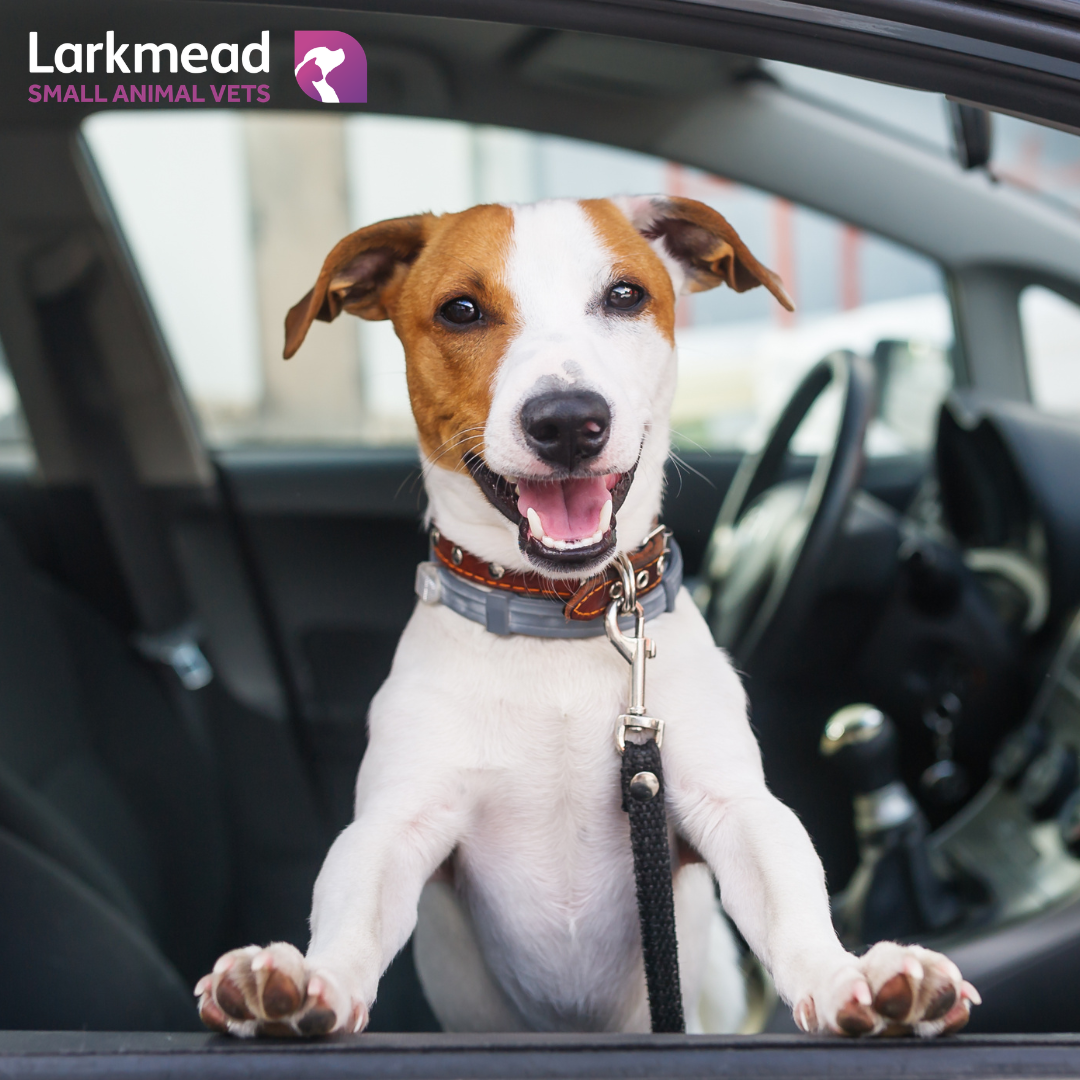
Now we’ve finally got a bit a sun, it feels like the UK is officially moving into holiday season – we’ve seen an increase in bookings for Animal Health Certificates from those taking their pets abroad, especially as (for many), Pet Passports are no longer valid (full details here). AHCs can only be completed a maximum of 10 days before travel but please do book in advance as the paperwork takes some time to complete.
Even if you’re staying in the UK, there are some things to think about when taking your pet on holiday with you:
🌴Try to take some familiar bedding with you so your pet knows they are staying in this new ‘house’. Whilst their full bed may not be possible, the cushion part or a blanket from home, can all help their holiday bed to feel more familiar. Don’t forget to pack their usual food and bowls.
🌴If your pet is on regular medication, ensure you have enough to cover your holiday and for your return – you can order repeat medication from us online for collection within a few days.
🌴Ensure your pets’ microchip details are up-to-date:
If you are not sure which microchip database your pet is registered with, visit Check-a-Chip and this will tell you which DEFRA compliant database your pet’s details are with. This is the primary tool that vets/dog wardens/emergency services will use to reunite you with your pet. Some companies allow you to add a temporary address for when you are away.
A top tip is to create a contact in your phone for your pet – use this record to keep their Microchip Number, the Lost Pet Number of your chip company and any other useful details to hand. This can help if you have become separated from your pet and need the information quickly. You can also add their insurance details for easy reference.
🌴A pet first aid kit is always helpful. Here are our top recommendations for contents:
- Bandaging materials
- Sterile saline (for cleaning wounds)
- A foil blanket
- A thermometer
- Blunt end scissors
- Tweezers
- Tick Remover
- Gloves
- Cleansing wipes
🌴Finally, remember that your pets cannot cope with the heat as well as we can. Paler skin animals need (pet-friendly) suncream and ensure they always have access to shade and fresh water. There are some more hot-weather tips on our social pages.
We hope you and your pet’s have a lovely holiday, even if you’re staying in good-old Oxfordshire!
Ticks
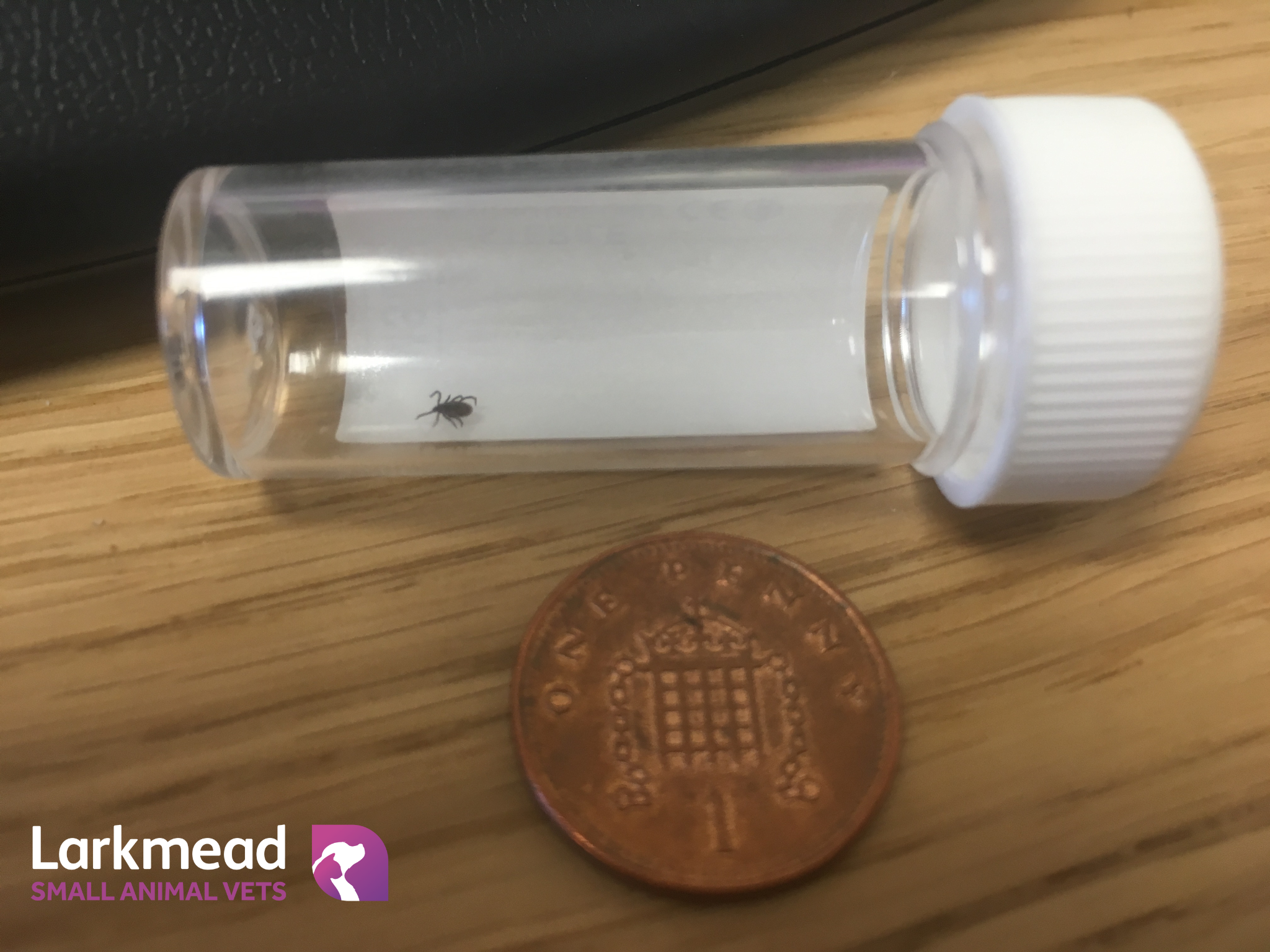
As warmer months approach, ticks become an increasing threat to our pets. These tiny parasites lurk in grassy areas, woodlands, and even urban parks, ready to latch onto warm blooded animals passing by – particularly in places where deer and foxes roam. Whilst these tiny blood-thirsty pests might seem harmless at first glance, ticks can pose serious health risks to both dogs and cats.
Ticks can transmit a range of diseases, including Lyme disease, babesiosis, and ehrlichiosis. Symptoms in pets may include lethargy, fever, loss of appetite, and joint pain, but some infections can lead to more severe complications without prompt treatment. It’s important to check your pets thoroughly after walks and to remove any ticks as soon as possible using proper techniques – Vet Liz shows us how here.
Preventative measures are key in keeping pets safe. Consider tick prevention treatments (included with our Lifetime Care Club membership), keep your garden tidy, and be vigilant when pets roam in overgrown, long-grass areas. If you notice any unusual behaviour or signs of illness following tick exposure, seek veterinary advice immediately. Protecting your pets from ticks not only preserves their health but also ensures peace of mind for you and your family.
You can check your dogs risk using this free online tool which only takes a few minutes to complete. Bring the results in to your next appointment to discuss with your vet.
Now is the time to start fireworks training!
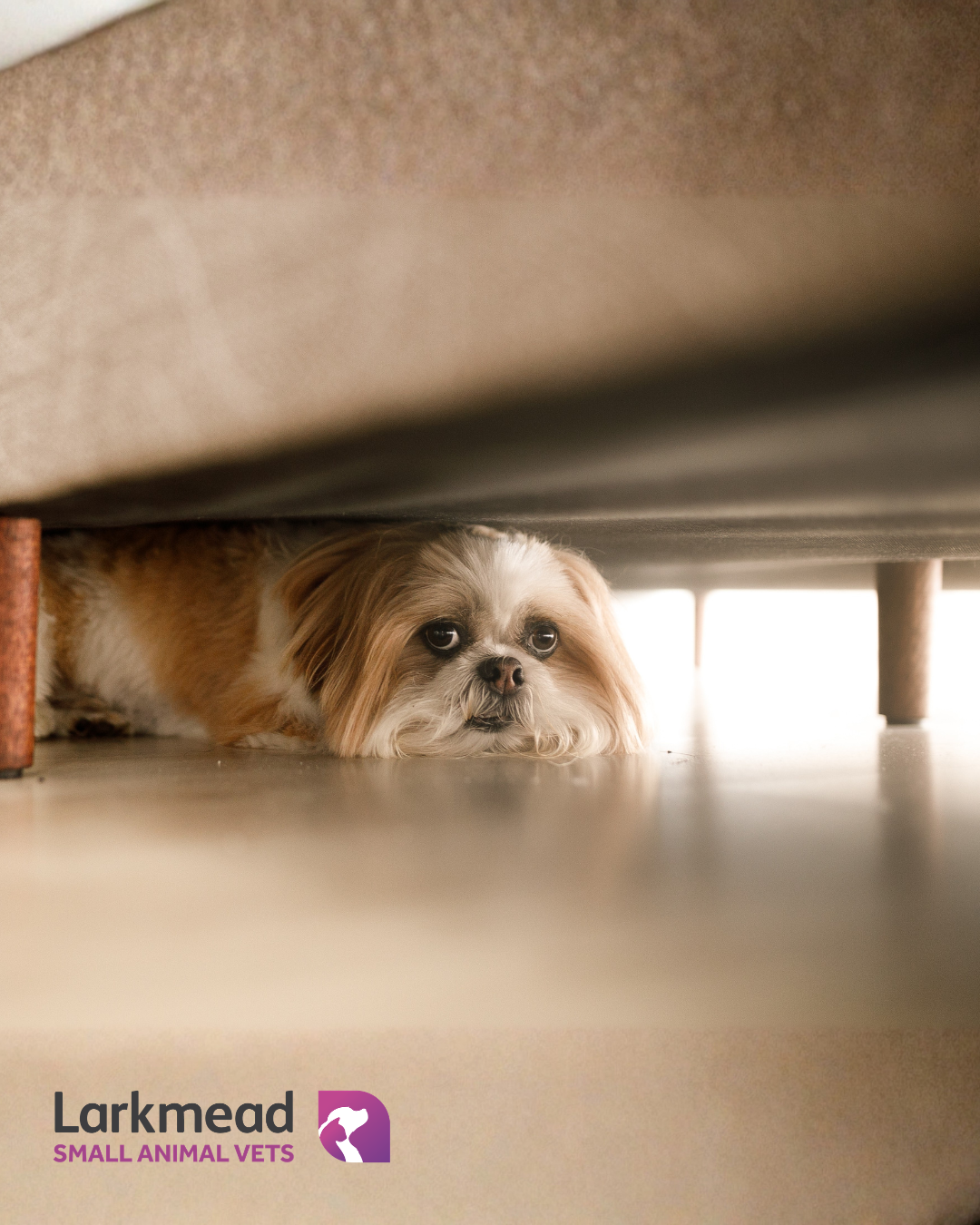
Fireworks are an exciting part of many celebrations, but for dogs they can be frightening and overwhelming. Loud, unpredictable noises and flashing lights are very different from anything a puppy would naturally encounter. The good news is that with early, gentle desensitisation, many puppies can learn to cope far better with fireworks as they grow.
Why early desensitisation matters
Puppies go through important learning stages during their first months of life. Experiences during this time can shape how they respond to new situations later on. If a puppy’s first exposure to fireworks is sudden and frightening, this can increase the risk of long‑term noise sensitivity or fear. Introducing firework sounds in a calm, controlled way helps puppies build confidence and resilience before the “fireworks season” arrives.
What is desensitisation?
Desensitisation involves gradually exposing a puppy to a stimulus at a very low level, increasing it slowly while ensuring the puppy remains relaxed. When done correctly, the puppy learns that the sound is not something to fear.
For fireworks, this often means starting with recorded firework noises (The Dogs Trust have some free downloadable sounds on their website here) played quietly at home, paired with positive experiences such as playtime, treats, or gentle interactions. Over time, the volume can be increased very gradually, always staying within the puppy’s comfort zone.
Making it a positive experience
The key to successful desensitisation is keeping things positive and pressure‑free. Puppies should never be forced to “face their fears”. If a puppy appears worried — for example, freezing, trembling, or trying to hide — the sound level should be reduced and only increased again, once the puppy is happy.
Here are our top tips:
- Keep sessions short and relaxed
- Allow puppies to move away if they choose
- Reward calm behaviour with praise or treats
- Stay calm yourself, as puppies take cues from their owners
Consistency is more important than speed. Slow progress is far more effective than trying to rush – and this is why we recommend you start now, perhaps with weekly sessions so when the ‘season’ starts your pup won’t feel it is out of the ordinary.
Our advice to puppy owners
Desensitising puppies to fireworks is an investment in their long‑term wellbeing. Starting early, going slowly, and keeping experiences positive can help prevent fear responses from developing later in life!
If you would like support, please give us a call on 01235 814991 / 01491 651379 / 01235 633820.
Why it’s important to look after your pet’s teeth
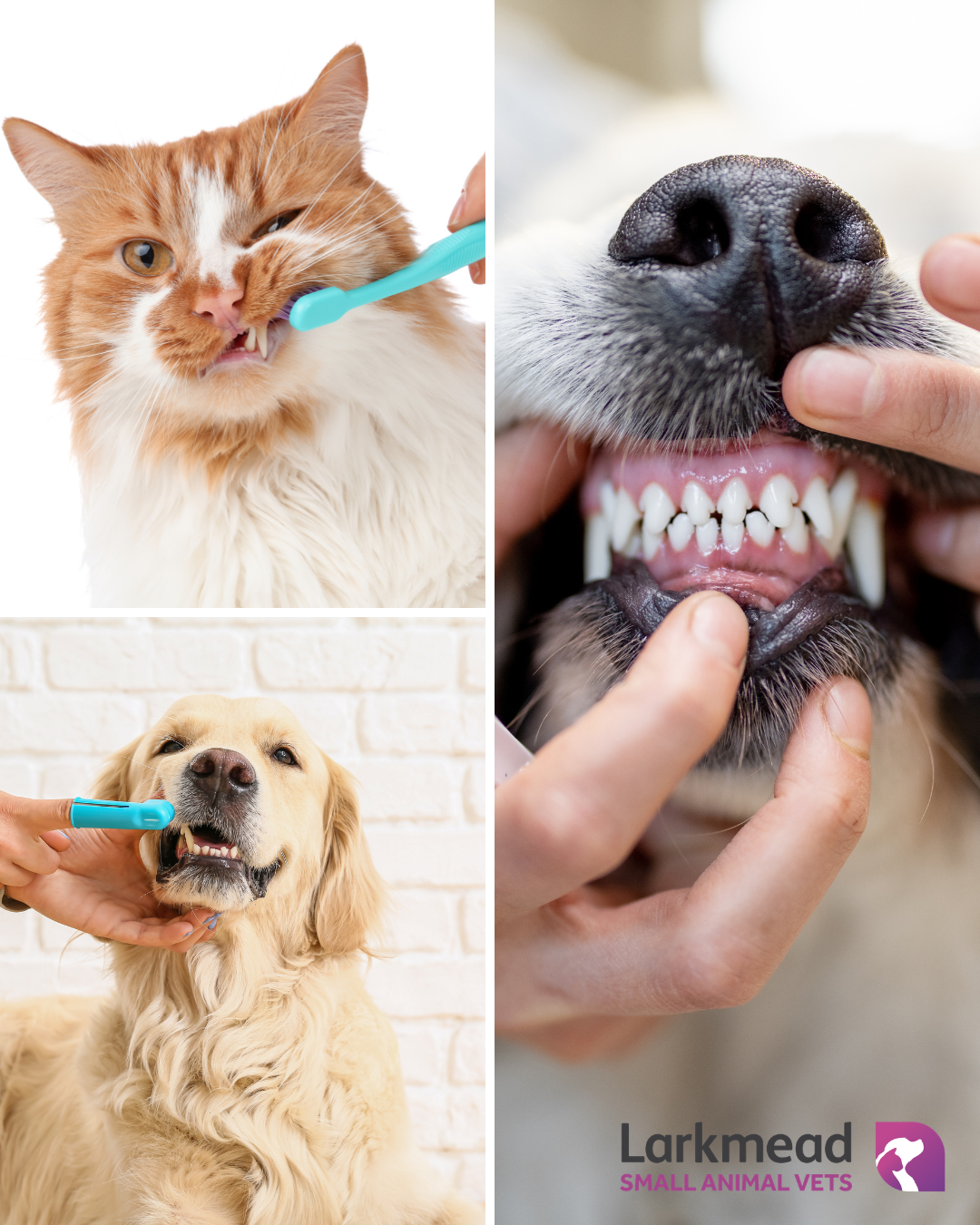
As devoted pet owners, we naturally want our pets to live long, happy and healthy lives. While regular exercise, a balanced diet, and plenty of love are vital, there is another aspect of pet care that is often overlooked: dental health. Just like humans, dogs, cats, and other pets need proper dental care to maintain their overall wellbeing.
Common Dental Problems in Pets
Poor oral hygiene can lead to a range of health issues for pets, including gum disease, tooth decay, bad breath, and pain. These problems are not only uncomfortable but can also affect your pet’s behaviour, and in severe cases, their internal organs, reducing their overall life span.
Signs Your Pet May Have Dental Issues
- Persistent bad breath
- Red or swollen gums
- Difficulty eating or chewing
- Pawing at the mouth or rubbing their face on the ground
- Loose, broken or discoloured teeth
- Excessive drooling
If you notice any of these signs, it is important to consult your vet promptly.
How to Care for Your Pet’s Teeth
1. Regular Brushing: Use pet-safe toothpaste and a suitable toothbrush to brush your pet’s teeth – small, thimble like rubber toothbrushes are available in branch and these can be a great starting point. Ideally, this should be done daily, but even a few times a week can make a big difference.
2. Dental Chews and Toys: Provide dental treats and toys designed to help clean teeth and massage gums while your pet chews. Ensure chews are not too hard to risk breaking a tooth – you should be able to use your thumb to indent the product easily. Monitor your pet with chews/toys for breakages that could become a choking hazard and ensure toys are cleaned regularly.
3. Routine Vet Check-Ups: At your pet’s vaccination and health check appointments, our vets will examine your pet’s teeth and gums to check for any issues. They may recommend a dental descale and polish – although some groomers and other pet care providers may offer this service, a veterinary dental is performed under general anaesthetic. This allows us to fully clean underneath the gum line (which should not be done conscious as it can be very uncomfortable!) to remove all bacteria and build up.
4. Healthy Diet: Feed your pet a balanced diet and avoid sugary snacks, which can contribute to tooth decay.
Long-Term Benefits of Good Dental Hygiene
Looking after your pet’s teeth is about more than just preventing bad breath. Good dental care supports a longer, happier life for your pet, reduces the risk of painful infections, and can even help prevent costly treatments down the line. By making dental hygiene a part of your regular pet care routine, you are giving your companion the best chance at excellent health.
Conclusion
Caring for your pet’s teeth is an essential part of responsible ownership. By being proactive and making dental care a priority, you will not only ensure your pet’s comfort but can also prevent serious health issues.
If you would like support on getting started with brushing your pet’s teeth (it is never too late to start!), please give us a call on 01235 814991 / 01491 651379 / 01235 633820.
Why wait to help your dog lose weight?
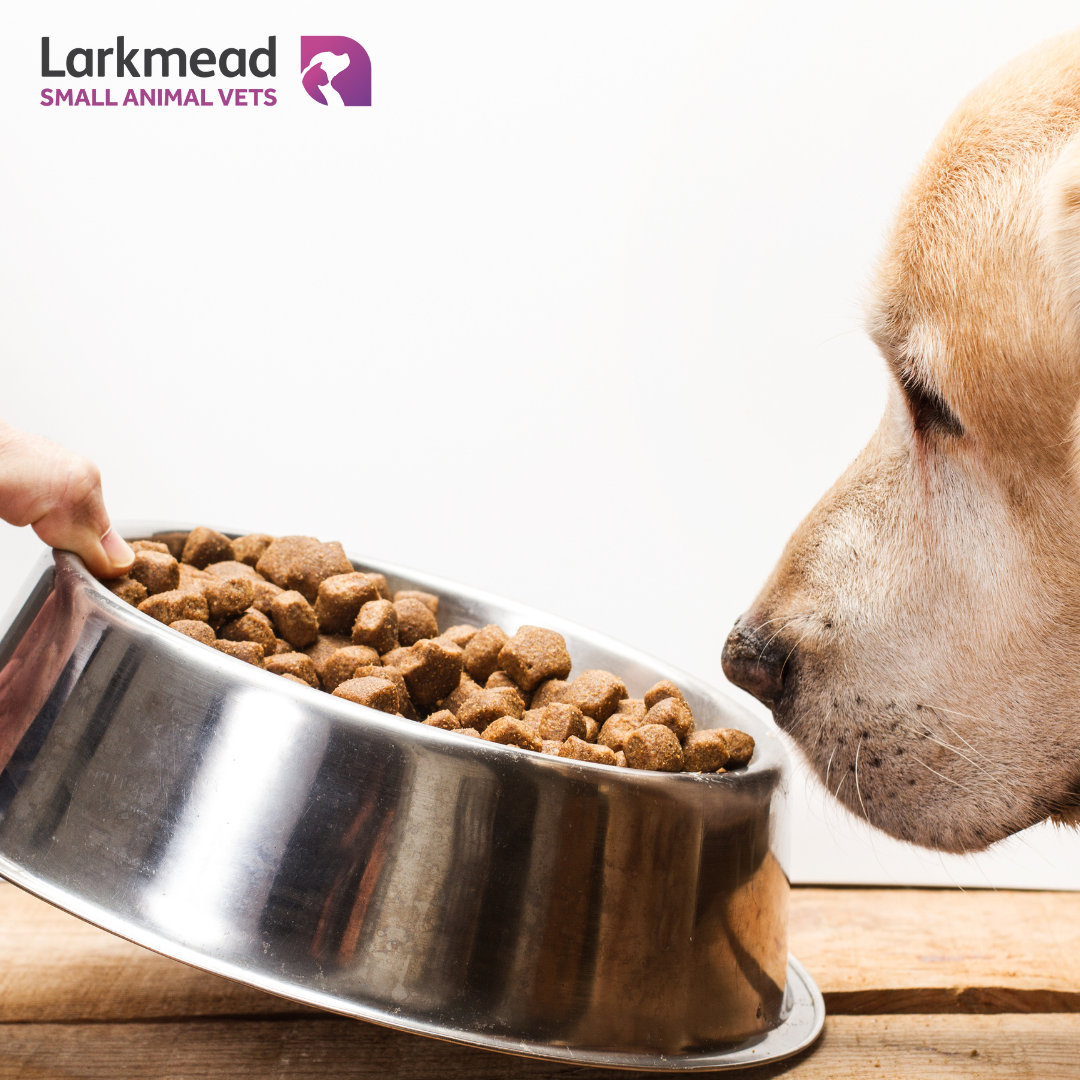
January is the month when many of us make resolutions to increase our fitness and/or lose a few pounds. Whilst these good intentions may not last, we can certainly help you with the same aims for your dog.
Obesity in dogs is more than just a cosmetic issue and can lead to serious health issues like arthritis, diabetes, respiratory problems (especially with short-nosed breeds), and kidney disease. If your pet has gained weight, it is definitely worth seeing a vet and ensuring there is nothing underlying that may need addressing.
Once this has been ruled out, there are a few tips that can really help to get you on the road to success:
Look at the treats you give:
Treats should be less than 10% of your dog’s daily calories. Try low-cal swaps by offering carrots and other dog-safe veggies as treats (these are good for teeth too!). If these are not palatable, then put aside some of your dog’s usual food to use as treats. Ensure no one is sneaking more treats to the dog!
Measuring is King!
Use a scale (or an old mug/measuring spoon once you’ve identified the right amount) to ensure you are feeding the right amount for their weight.
Seek help:
A healthy weight loss program reduces body weight by about 1-2% per week. Changing their food to one designed to support weight loss, whilst helping them to feel full can help but this needs to be introduced slowly. Our veterinary nurses offer weight loss clinics where they can support you and your pet to shed the pounds safely, and without too many “puppy eyes” pulling at your heart strings. Find out more on our website.
If you would like support on helping your pet to lose weight, please give us a call on 01235 814991 / 01491 651379 / 01235 633820.
Christmas Hazards

As we embrace the festive season, it’s essential to ensure that our furry friends enjoy a safe and fun Christmas too. We’ve compiled a little video of hazards to be aware of in our busy houses at this time of year. You can watch it here.
As always, our team is on-call 24h should something happen so please do not hesitate to give us a call if needed. Out of our routine hours (which can be f0und on our website here), care is provided at our Didcot branch on Park Road ☎️01235 814991.
Bird Flu
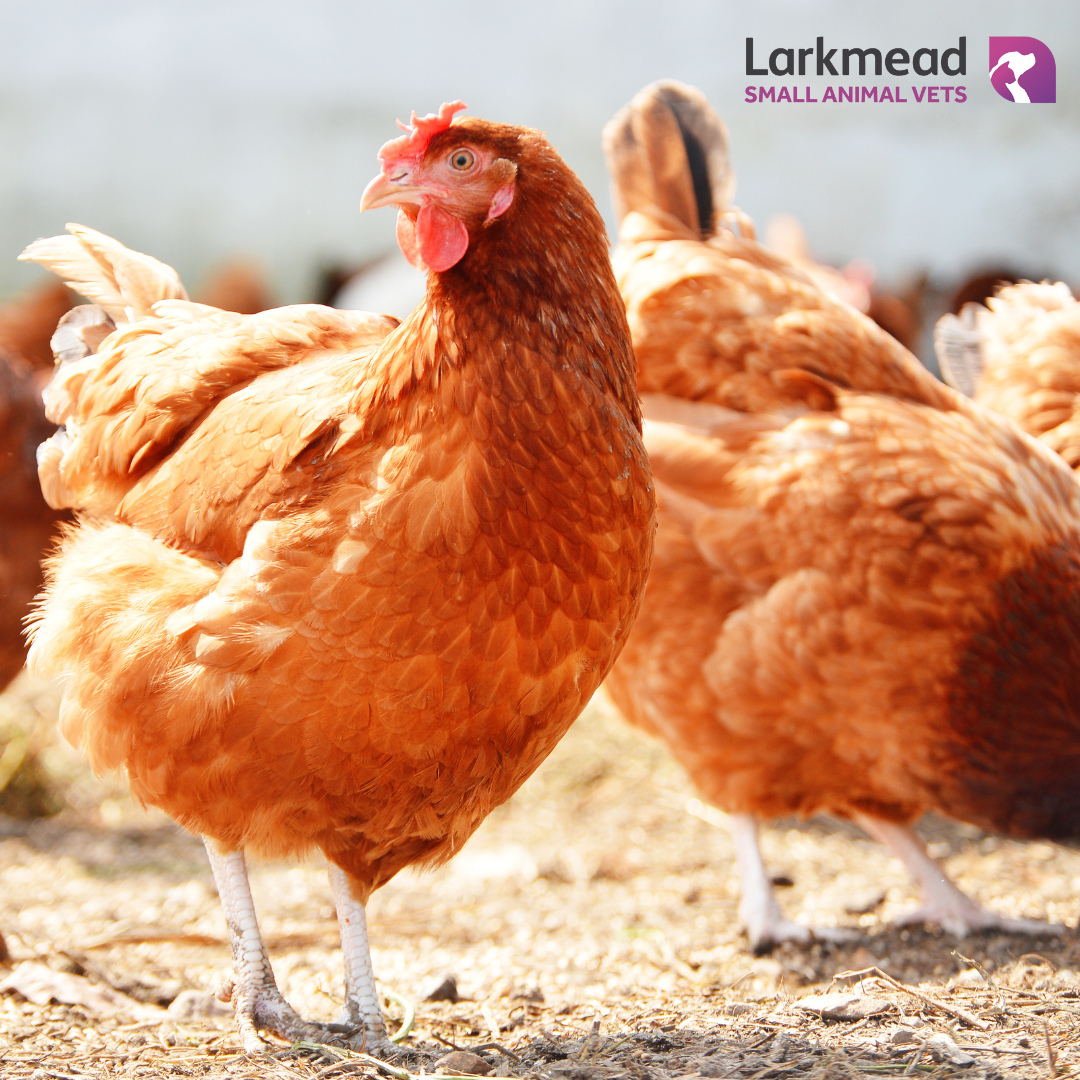
Information correct at time of publication – please check the Government Website for the latest guidance and advice.
As the colder weather brings birds migrating to the UK, the cases of Avian Influenza begins to rise and as such, DEFRA has issued a mandatory housing order for the whole of England to help prevent spread.
What does this mean?
Anyone who has a flock of more than 50 birds (this includes chickens and captive birds like pigeons or budgies) OR anyone who sells or gives away eggs, must ensure their birds are housed, preventing access by wild birds. Further information on this is available on the Government website.
In addition to this, all bird keepers must adhere to strict biosecurity measures such as:
Keep feed and bedding inside
Cleanse and disinfect clothing, footwear, equipment and vehicles before and after contact with captive birds.
Carry out vermin control
Reduce movement around captive birds and thoroughly clean and disinfect housing and concrete walkways on a regular basis. Keep fresh disinfectants at entry and exit points.
Make your premises unattractive to wild birds
What about other animals?
Current recommendations are to keep pets from having close contact with dead or sick wild birds, their droppings or feed/water bowls.
It is also not recommended to feed your pet non-commercial raw poultry meat, game or other wild bird meat. This also includes some chews or treats that may contain raw meat or unprocessed animal products.
Further information is available on the Government website.
What about if I find a sick or deceased bird?
Birds infected with the most serious strain of bird flu (highly pathogenic avian inflenza – HPAI) usually show some of the following signs and contact should be avoided:
- swollen head
- closed and runny eyes
- lethargy / lying down
- lack of coordination, drooping of wings, dragging legs
- decreased appetite/increase or decease in water consumption
- sudden death
- head and body shaking
- twisting of the head and neck
- breathing difficulties, sneezing, coughing etc
- discoloured or loose watery droppings
- swelling and blue discolouration and/or bruising and redness on the legs/neck
Sick birds showing any symptoms should not be taken into to a veterinary surgery (or wildlife rescue etc) without prior communication, to prevent exposure to other animals and humans. At Larkmead, we can examine the bird(s) but only once staff have been pre-warned and are wearing appropriate PPE, so please give us a call before visiting.
Please contact us to discuss any concerns, particularly if you wish one of your flock to be seen by a vet.
You should report any deceased birds to DEFRA via their website.