September Newsletter

In this months’ newsletter:
- Vets Viewpoint from Izzy
- Sheep & Goats: vaccinations for BTV and abortion. Worm egg counts, fly strike and clostridial disease with goats.
- Dairy: Bluetongue hub updates
- Cattle: Calf pneumonia
- Gamebirds: Avian flu
- Pigs: Infertility in sows
Read the September newsletter
Changes to our services for the weekend of 6/7 September 2025

On the weekend of the 6th and 7th of September, we are having some work done in our reception to improve appearance and operational efficiency.
During this weekend, we will be moving services temporarily to other practices in order to be able to continue to offer routine appointments and of course, our 24-hour emergency service.
All of our phone lines will be diverted to where the team are, so you can continue to use your usual preferred phone number should you need to call us.
Daytime Appointments
We will be providing routine appointments at our Great Western Park branch. We will be in touch to move any existing appointments if needed. All other daytime appointments for urgent care, will be directed to our Cholsey branch on both Saturday and Sunday.
Pre-booked Saturday appointments at Cholsey are unaffected.
24-hour Emergency Provision
This will operate from our Cholsey branch from the evening of Friday 5th September to the morning of Monday 8th of September. Cholsey has full hospitalisation facilities, along with separate cat and dog kennels for inpatients. Our team will remain on-site with any inpatients as usual.
We are doing our best to ensure that all services remain available during these works and we apologise for any inconvenience.
Care for Ferrets

At Larkmead, we have several vets with a specific interest in treating ferrets, and there are several ways we can help owners to care for them. As well as providing treatment for unwell ferrets, there are several preventative healthcare measures that are well worth considering as part of routine pet husbandry. An appointment with one of our exotics team is a great way to start, as it gives us an opportunity to examine your ferret and discuss the various options, find out more: Ferret care | Larkmead Vets
August Newsletter
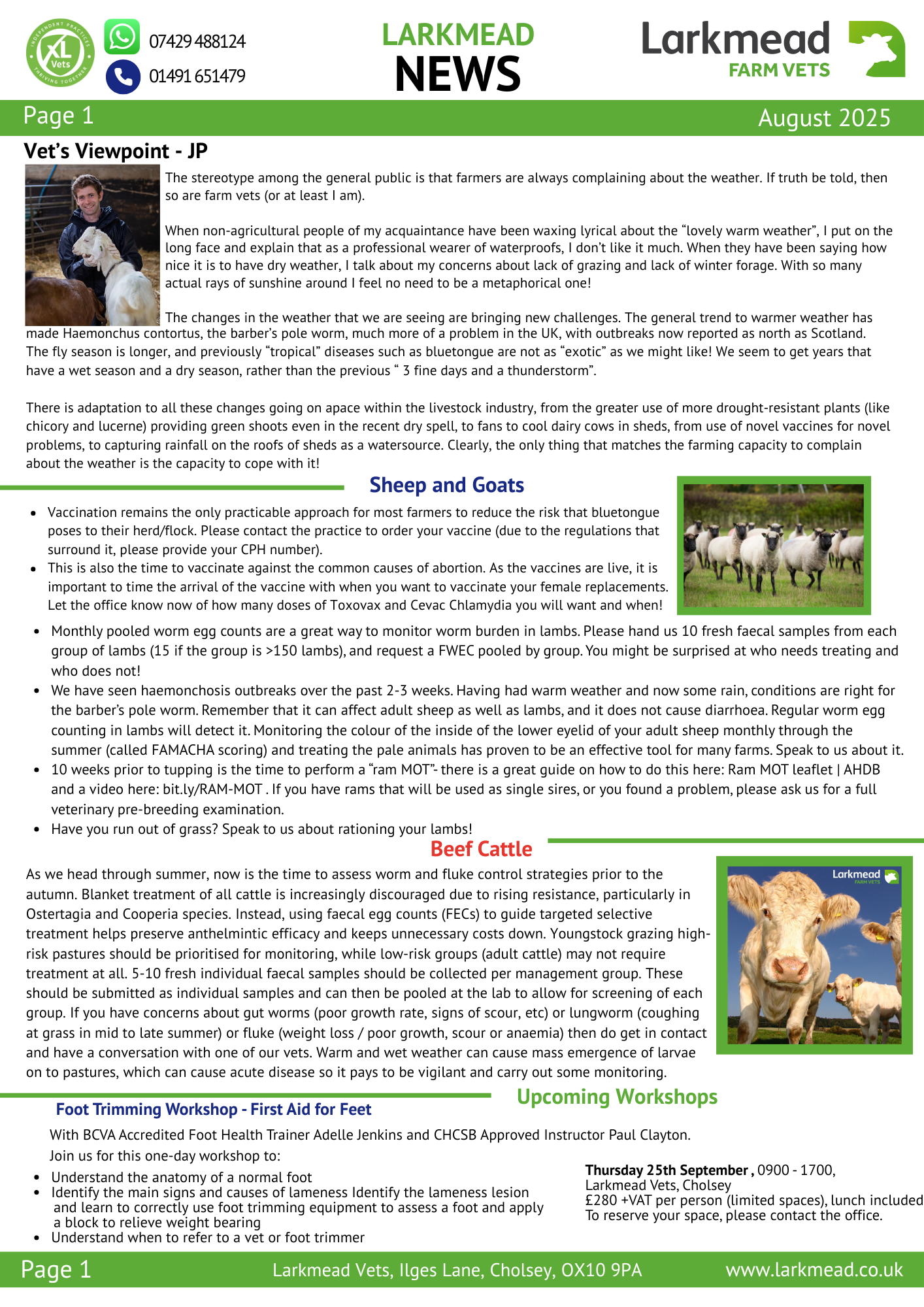
In this months’ newsletter:
- Vets Viewpoint from JP
- Sheep & Goats: vaccinations for BTV and abortion. Worm egg counts, haemonchosis and tupping prep.
- Dairy: Genetics
- Cattle: Fluke control
- Gamebirds: hexamitaisis
- Pigs: ASF
- Upcoming workshops
Read the August newsletter
What’s lurking in the grass?
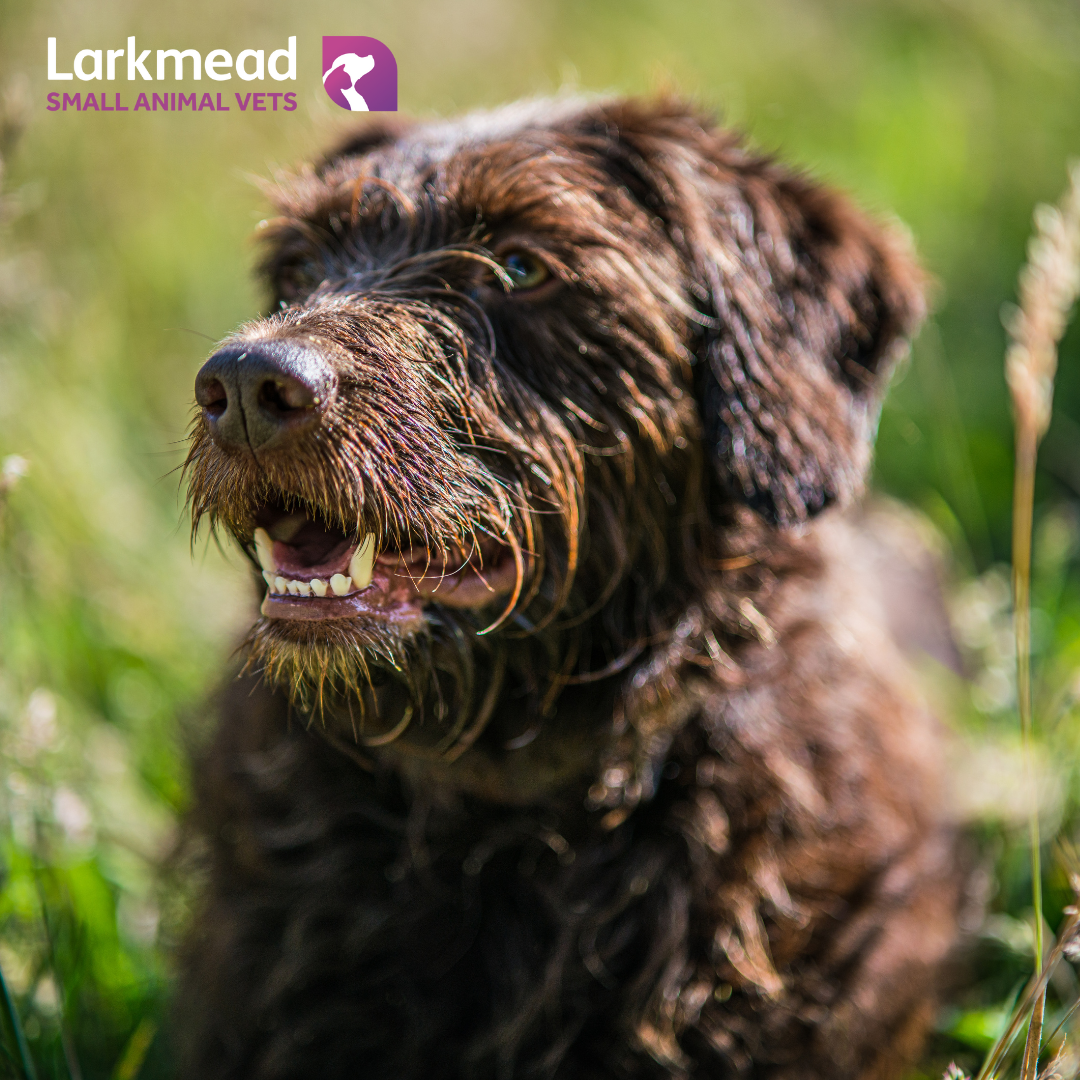
At this time of year, we see a noticeable rise in cases involving grass seed injuries. While they may look harmless, these small, dart-like seeds can cause major problems when they become lodged in your pet’s fur, ears, eyes, paws, or even get inhaled.
🚨 Why Are Grass Seeds Dangerous?
Grass seeds (often from wild grasses) are designed by nature to burrow into the soil — but unfortunately, they can also burrow into your pet’s body. Due to their sharp shape and barbed texture, they can easily penetrate skin and tissues, leading to painful infections and abscesses.
Common problem areas include:
- Ears: Seeds can get deep into the ear canal, causing head shaking, scratching, ear infections and even deafness.
- Paws: They often become embedded between the toes, causing limping, swelling, or sudden lameness.
- Eyes: A grass seed can scratch the eye or hide beneath the eyelid, which can lead to discharge, damaged corneas or even blindness.
- Nose: Inhalation of a grass seed can result in sneezing fits, nasal discharge, or even serious respiratory issues if they migrate into the respiratory tract.
- Skin & Coat: Seeds can embed anywhere on the body, sometimes traveling under the skin and causing deep infections.
👀 Signs to Watch For
- Sudden, persistent head shaking or ear scratching
- Excessive licking or chewing at a specific paw
- Limping without an obvious injury
- Swelling or discharge from any part of the body
- Sneezing or nasal discharge after a walk
- Visible redness or discomfort in the eyes
If your pet shows any of these signs, don’t wait — contact us right away. Early treatment can prevent more serious complications.
🐶 What Can You Do?
Prevention is key. Here’s how you can protect your pet:
- 🧹 Check daily: Inspect your pet’s ears, paws, armpits, and coat after walks — especially if you’ve been near long grass or fields.
- ✂️ Keep fur trimmed: Particularly around paws, ears, and underarms, especially for breeds with long or curly coats.
- 🚶 Stay on paths: Avoid tall grass and wild fields during peak seed season (late spring to early autumn).
🩺 When in Doubt, Check It Out
Grass seeds can cause serious harm quickly, so prompt action is always the best response. If you’re unsure, give us a call.
Wishing you and your pets a happy, healthy summer!
July Newsletter
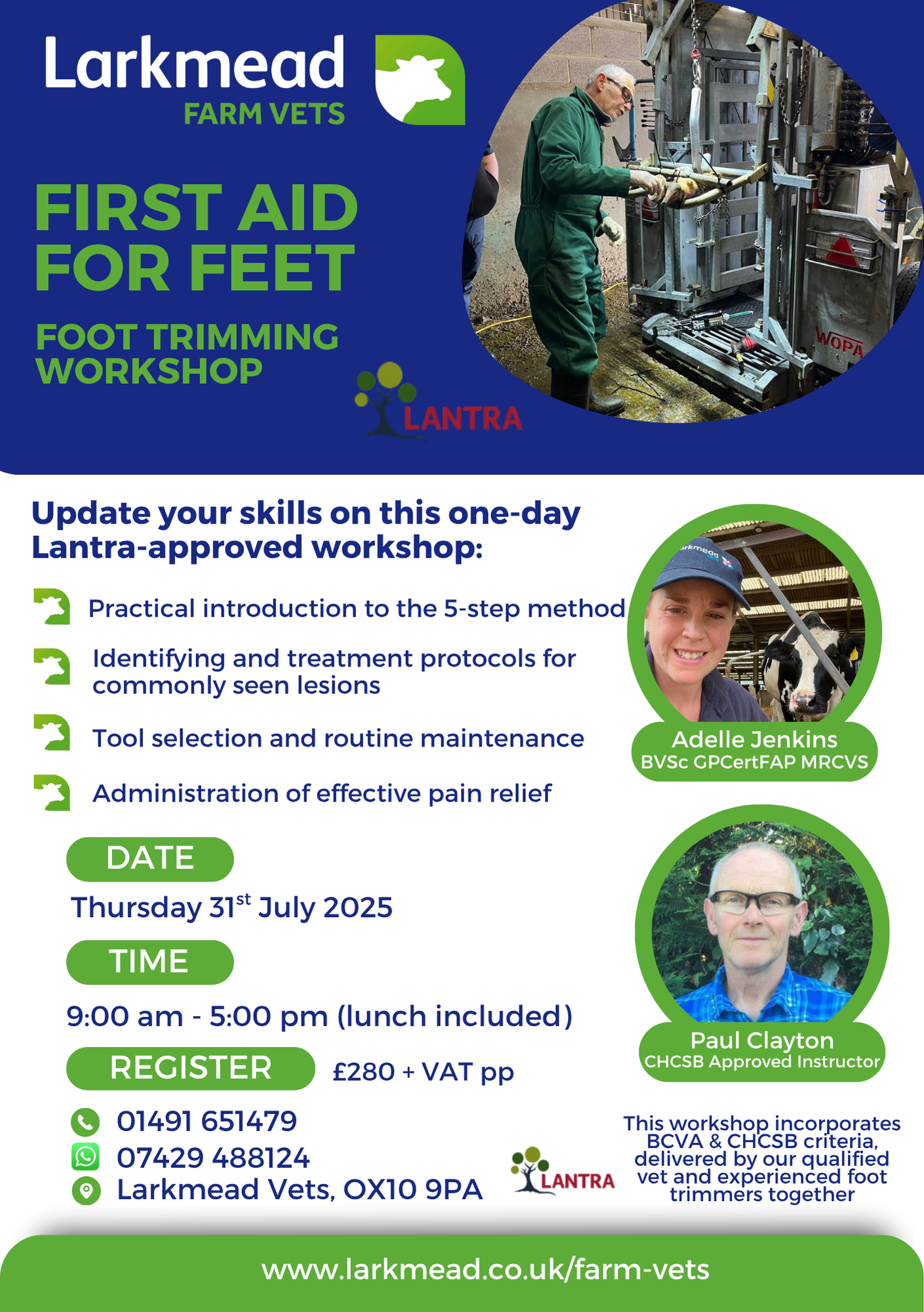
In this months’ newsletter:
- Vets Viewpoint from Julia
- Sheep & Goats: worm burden, abortion and vaccinations, RAM MOTs, ewe condition and dry weather rationing
- Dairy: BTV update
- Cattle: Utilising NSAIDs
- Pigs: Heat stress
- Upcoming workshops
Read the July newsletter
Feeling hot, hot, hot! 🥵

As the sun shines brighter and temperatures soar, it’s important to make sure your furry family members stay safe, happy, and healthy. Just like us, our pets can struggle in the heat — but with a few simple precautions, you can help them stay cool and comfortable.
🌡️ Watch for Signs of Heat Stress
Unlike humans, pets cannot sweat so they rely on panting and limited sweating through their paws to cool down. Signs of heat exhaustion include:
- Excessive panting or drooling
- Weakness or lethargy
- Vomiting
- Bright red gums or tongue
- Collapse
If you notice any of these symptoms, move your pet to a cool place immediately, wet them with cold water and contact us or your nearest emergency vet.
🚫 Never Leave Pets in a Parked Car
Even on a mild day, a parked car can turn into an oven in minutes. Leaving a window cracked is not enough to keep the temperature safe. When in doubt, it’s best to leave your pet at home in the cool with the curtains closed – this is particularly important for elderly, overweight, or brachycephalic (short nosed) breeds. Similarly, never leave a pet in a conservatory.
🐶 Hydration is Key
Make sure your pet always has access to fresh, clean water. If you’re heading out for a walk (outside of the main heat of the day), take a portable water bowl and extra water. You can even add ice cubes to their bowl for a refreshing treat!
🏖️ Walk Smart
Try to walk your dog early in the morning or later in the evening when it’s cooler. Hot pavement can burn paw pads — if you wouldn’t walk barefoot on it, neither should they! Finding walks with shaded grassy paths helps to keep them safe and we are lucky to live near to such lovely green spaces.
Avoid playing ball games as this is very high energy play and can easily cause overheating. If you have multiple dogs, you may need to restrict inter-dog play as they often don’t know when is a good time to stop and rest.
❄️ Create Cool Zones at Home
Whether you have a dog, cat, or small furry, make sure they have a shaded place to rest. You can also use fans, pet cooling mats, or damp towels to lie on for extra relief. Do not cover pets, even with damp towels, as they quickly radiate heat back and increase the body temperature.
🐕🦺 Grooming for Comfort
Regular brushing helps remove excess fur, which can help your pet stay cooler. But don’t overdo it — some breeds rely on their coat for insulation. Check breed specific guidelines.
🐇 Small Furries
Ensure cages and enclosures are kept out of the direct sun and are well ventilated. Rabbits in particular, are prone to flystrike (when flies lay their eggs in their fur) and this can very quickly become fatal once the maggots hatch. Keep spaces clean and check your rabbits bottom at least once a day and clean and dry if needed.
💙 We’re Here for You
Whether you need advice, a summer check-up, or just want to say hello, we’re always happy to see you and your pets. Give us a call or book an appointment online!
Changes to our services for the weekend of 14/15 June 2025
On the weekend of the 14th and 15th of June, we are having some work done in our reception, operating theatres and consultation rooms at Park Road to improve appearance and operational efficiency.
During this weekend, we will be moving services temporarily to other practices in order to be able to continue to offer routine appointments and of course, our 24-hour emergency service.
All of our phone lines will be diverted to where the team are, so you can continue to use your usual preferred phone number should you need to call us.
Daytime Appointments
We will be providing routine appointments at our Great Western Park branch. We will be in touch to move any existing appointments if needed. All other daytime appointments for urgent care, will be directed to our Cholsey branch on both Saturday and Sunday.
Pre-booked Saturday appointments at Cholsey are unaffected.
24-hour Emergency Provision
This will operate from our Cholsey branch from the evening of Friday 13th June to the morning of Monday 16th of June. Cholsey has full hospitalisation facilities, along with separate cat and dog kennels for inpatients. Our team will remain on-site with any inpatients as usual.
We are doing are best to ensure that all services remain available during these works and we apologise for any inconvenience.
June Newsletter

In this months’ newsletter:
- Vets Viewpoint from Liz
- Sheep & Goats: abortion and vaccinations, BCS, worming and the benefits of NSAIDs
- Dairy: Heat stress
- Cattle: Lameness in the herd
- Pigs: MMA
- Gamebirds: Pre-season visits
- Upcoming workshops
Read the June newsletter
It’s Tick Season!
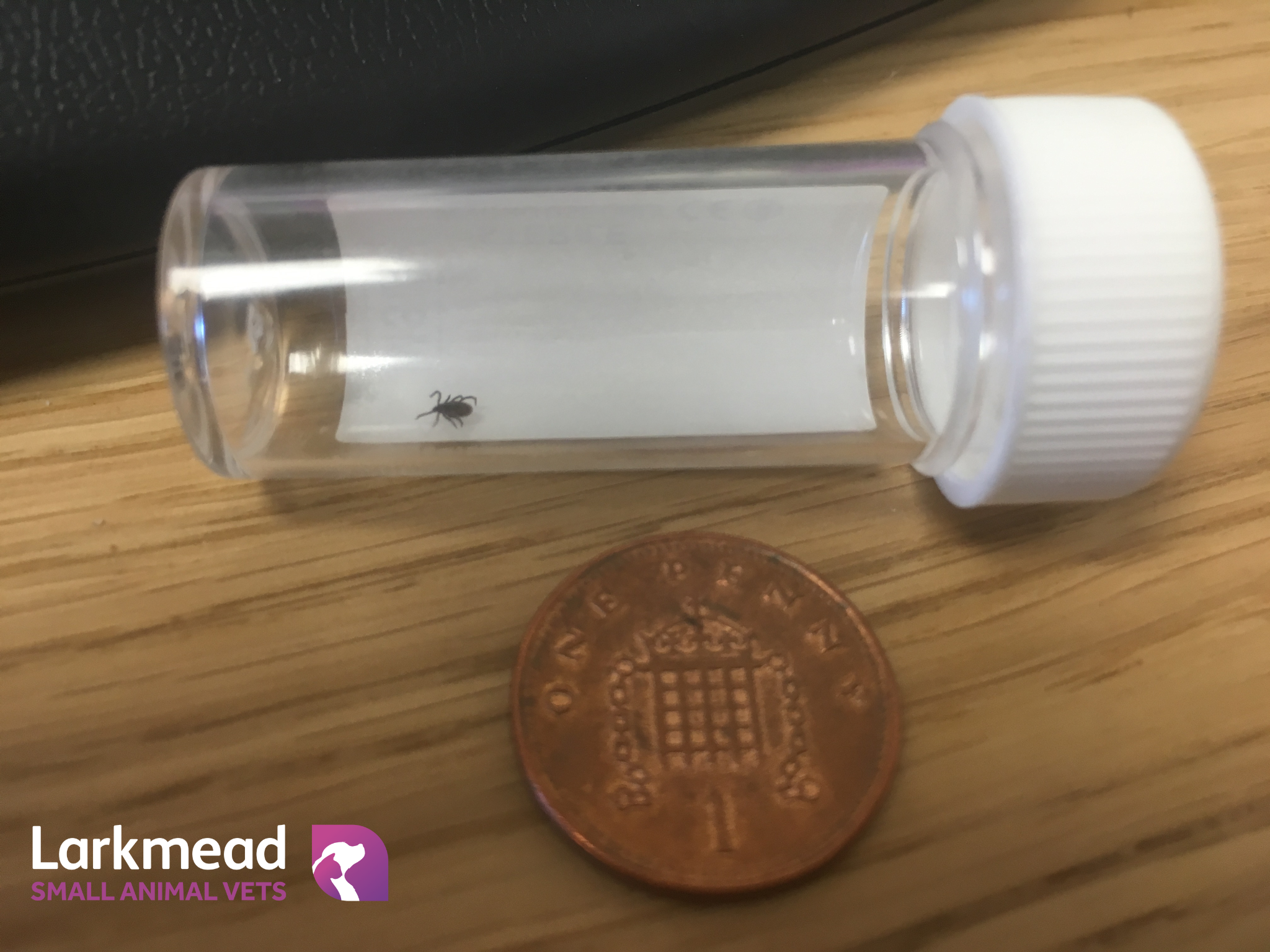
As warmer months settle in across the UK, so does the increased risk of ticks. These tiny parasites might seem insignificant, but they can pose serious health threats to our pets—and even to humans.
Why Are Ticks a Problem?
Ticks are blood-sucking parasites that latch onto mammals, birds, and sometimes reptiles. In the UK, the most common species include the sheep tick (Ixodes ricinus), hedgehog tick (Ixodes hexagonus), and the brown dog tick (Rhipicephalus sanguineus), with some now becoming more common due to warmer climates and increased pet travel.
Ticks are more than just a painful nuisance. They are known carriers of harmful diseases such as:
- Lyme disease – caused by the Borrelia bacteria, this can affect both pets and humans, leading to joint pain, lethargy, fever, and in some cases, neurological issues.
- Canine babesiosis – a tick-borne disease now present in some parts of the UK, it can cause fever, anaemia, and in severe cases, death.
Where Are Ticks Found?
Ticks are commonly found in grassy, wooded, or overgrown areas. However, urban parks, gardens, and even long grass in gardens can harbour them, particularly if wildlife visit. Pets who love exploring outdoors are at higher risk—particularly dogs, but cats too.
What Can You Do to Protect Your Pet?
- Check your pet regularly – especially after walks in high-risk areas. Pay close attention to the head, ears, ‘armpits’, neck, and feet.
- Use a tick prevention product – from spot-on treatments to collars and oral tablets, we can advise on the best solution for your pet. The majority of these products are available with your Lifetime Care Club membership.
- Stay up to date with parasite control – prevention is far easier (and cheaper) than treatment.
- Remove ticks safely – never use fingers or tweezers. Instead, use a tick removal tool, grasping the tick as close to the skin as possible and gently twisting it out. This ensures that no part of the tick is left behind to cause an infection. Vet Liz shows us how here.
If you’re unsure how to remove a tick, want advice on prevention, or notice any unusual symptoms in your pet, please give us a call.